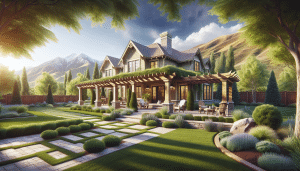
Stand outside on a summer afternoon along the Wasatch Front and you can feel it: that bright Utah sun. It’s gorgeous, but it’s relentless. Homeowners across Salt Lake City want shade that feels natural, looks beautiful, and lasts through winter. That’s exactly why more folks are choosing Timber gazebos. They’re classic but current, cozy yet open, and practical without feeling plain. You know what? A well-built Wood Gazebo turns an ordinary yard into a real gathering place—morning coffee spot, weekend BBQ hub, or a quiet chair with mountain views.
Contents
- 1 So, why are timber gazebos trending this hard?
- 2 Gazebo vs. pergola vs. pavilion—what fits your backyard?
- 3 Built for Utah’s climate: snow, sun, and canyon winds
- 4 Design moves that make a gazebo feel tailor-made
- 5 Wood vs. aluminum vs. vinyl: what’s the real trade-off?
- 6 Maintenance, made simple and honest
- 7 How a timber gazebo changes daily life (little moments count)
- 8 What the build process looks like with Utah Pergola Company
- 9 Smart sizing and placement for real yards in SLC
- 10 Budget talk—clear and practical
- 11 Real-world examples around Salt Lake City
- 12 Common questions we hear (and straight answers)
- 13 Why now is a good time to build
- 14 Ready to bring shade home?
So, why are timber gazebos trending this hard?
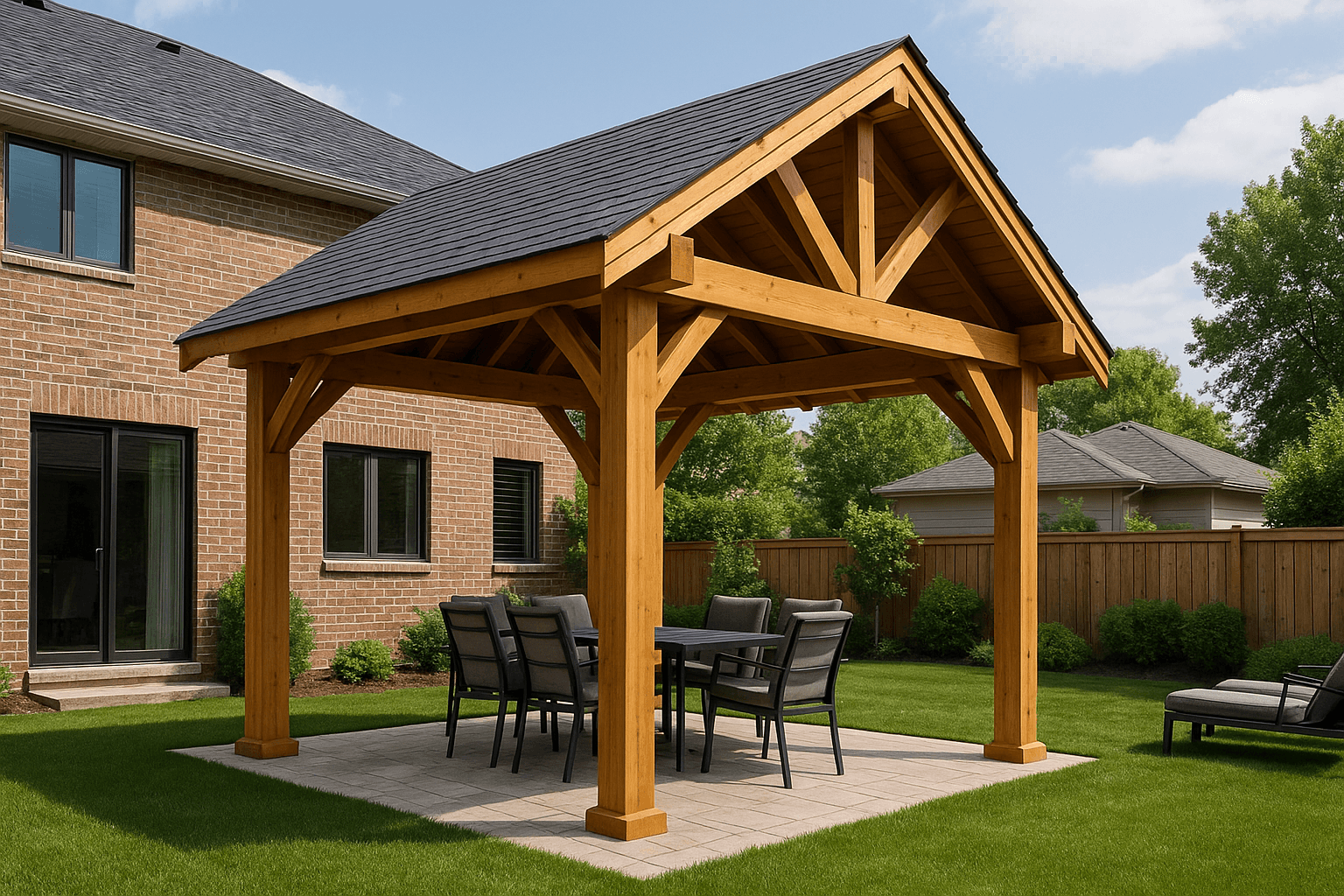
Short answer: they check every box. Long answer: they mix warmth, structure, and year-round function in a way other shade structures rarely do. A Gazebo gives you a true roof, not just slats—so you get real protection from sun, sprinkling rain, and even a light snow while you’re grilling in November (guilty). The Wood feels like nature because, well, it is. And the design potential is huge. Round, octagonal, square, modern, craftsman—pick your vibe.
Here’s the thing: trends come and go, but comfort and character stick around. A custom wood gazebo gives you both. Plus, today’s finishes make upkeep easier than many people think. More on that in a minute.
- Natural warmth: Wood softens hardscapes and pairs with stone, turf, or native plantings.
- True shade and shelter: A roof beats slats when you want all-day coverage and shoulder-season use.
- Design flexibility: From a minimal square frame to a storybook octagon, timber adapts.
- Local feel: Cedar, Redwood, and Douglas Fir blend with Utah’s scenery and home Styles.
- Value that shows: It adds a feature buyers actually walk to and remember.
Honestly, people also love how a gazebo quietly suggests, “Stay a while.” That matters.
Gazebo vs. pergola vs. pavilion—what fits your backyard?
Let me explain quickly because the words get mixed up. A pergola is sleeker with open rafters—great for filtered light and vines. A pavilion is a big open-sided structure with a full roof, often near a pool or large patio. A gazebo is typically a defined “room” outdoors, usually with a railing, sometimes with screens, always with a complete roof. In neighborhoods from Sugar House to South Jordan, we’re seeing families add gazebos over patio seating, spas, and even kids’ play areas. Pergolas still rule for breezy shade and style; gazebos win when you want weather coverage and a clear, cozy destination.
We build all three at Utah Pergola Company, but for this year’s trend list? Timber gazebos are leading the pack.
Built for Utah’s climate: snow, sun, and canyon winds
Salt Lake City brings four honest seasons. That’s why structural know-how matters. We design timber gazebos to handle local snow loads and the occasional gust that sneaks down the canyon. Think proper footing depth, post-to-beam connections with Simpson Strong-Tie hardware, and rafters sized for load—not guesswork. Up on the roof, we add ice-and-water shield in vulnerable zones, then top with shingles or standing-seam metal, depending on your style.
What woods work best here?
Cedar is a favorite for its natural resistance to decay and its rich color. Redwood is beautiful and stable. Douglas fir (often kiln-dried) brings strength and value when paired with a good sealer. Many homeowners choose cedar for visible components and Douglas fir for the main structure—smart blend, great look.
Sun’s no joke at elevation, so UV protection matters. We recommend a high-quality penetrating finish to guard against fading and checking. More on finishes below—but a solid finish plan makes wood hold up impressively in Utah.
Design moves that make a gazebo feel tailor-made
Cookie-cutter is out. Personal is in. With custom wood gazebos, small tweaks change everything. Round or square footprint? Exposed rafter tails or clean fascia? Warm cedar tones or a rich espresso stain? We help you sketch it, then we engineer it so it stands the test of time.
Details that elevate the everyday
- Roofing choices: Architectural shingles to match your home, or a sleek metal roof for a modern edge and snow-shedding power.
- Lighting and power: Discreet conduit, dimmable LEDs, ceiling fans, space heaters—with proper GFCI protection.
- Privacy screens: Lattice, slatted cedar panels, or laser-cut metal accents to break the wind and hide the neighbor’s window.
- Flooring: Concrete, pavers, or a raised deck—each changes the feel and function.
- Screens and curtains: Seasonal mosquito control and a bit of drama for summer evenings.
We’ve even integrated a hidden TV lift for game days. Sounds fancy, but it tucks away behind trim and stays protected. Mild contradiction here: gazebos are simple by nature—yet a few smart upgrades make them seriously versatile.
Wood vs. aluminum vs. vinyl: what’s the real trade-off?
Aluminum and vinyl have their place. They’re low maintenance and clean-looking. But for many homes along the Wasatch Front, wood just looks right and feels right. It softens stucco, balances stone, and ages with dignity—especially with the right finish.
| Material | Look and Feel | Performance Notes |
|---|---|---|
| Timber (Cedar/Redwood/Fir) | Warm, natural, highly customizable | Excellent shade; can be engineered for 35–60 PSF snow loads; needs periodic sealing |
| Aluminum | Sleek, modern, cooler to the touch | Low maintenance; lighter structure; may drum in rain without underlayment |
| Vinyl | Crisp, clean, uniform | Low maintenance; limited color choices; can flex in heat; less “natural” presence |
For buyers who want character plus performance, wood wins. And with proper engineering and finish, it’s built for Utah winters and summers alike.
Maintenance, made simple and honest
Let’s be real: wood asks for a little care. Not a lot—just a little. Think of it like keeping a leather jacket in great shape. Rinse off dust in spring, a light wash if needed, and recoat every couple of years depending on exposure. That’s it for most cedar gazebo or redwood gazebo builds.
Products we actually use and trust
- Penofin or TWP stains: Penetrating oils that nourish and protect against UV.
- Sikkens ProLuxe: For a rich, furniture-grade look on signature projects.
- Simpson Strong-Tie hardware: Galvanized or powder-coated connectors that hold tight, season after season.
If a fully painted look suits your home, we can do that too—with a proper primer and a breathable topcoat so the wood can live and move. And if you’re thinking, “I’m busy; will I keep up?” We offer maintenance plans, or we’ll show you a 60-minute DIY routine that keeps everything crisp.
How a timber gazebo changes daily life (little moments count)
Picture a bluebird October morning in Millcreek. Light jacket weather. You step into your gazebo with a mug, sit under a warm cedar roof, and watch the maples flame up the yard. Or it’s July in West Jordan, 5 p.m., and the kids have a shady place to stretch out after soccer. Or a neighbor drops by in Sugar House; you pull the curtains for a bit more privacy and roll into board games under twinkle lights. Small scenes, but they add up.
Here’s something we hear all the time: “We use our backyard more.” Not a vague promise—real minutes and hours outside, not just on weekends. That’s the quiet power of great outdoor living design.
What the build process looks like with Utah Pergola Company
We keep it friendly and predictable. You’ll always know what’s next. And because we’re local, we understand city permitting, HOA preferences, and the curveballs Utah weather throws at a schedule.
- Conversation and concept: We listen, sketch, and measure. Shade goals, seating plans, roof style—everything.
- Design and engineering: Plans you can picture, engineered for load and wind, with material specs you can trust.
- Permitting and HOA: We help prepare submittals and handle the boring-but-important steps.
- Build time: Typical gazebos take days to a couple weeks on site, depending on size and complexity.
- Final walkthrough: We check fasteners, finishes, and function. You check the view from your favorite chair.
We also coordinate electrical, concrete, and any landscape tie-ins, so your project feels seamless. No juggling five vendors if you don’t want to.
Smart sizing and placement for real yards in SLC
Not every yard is a half-acre. Many city lots are cozy, and that’s okay. A well-placed 10×10 or 12×12 gazebo can fit a dining table or a sectional without overpowering the space. We like to angle entries to catch a breeze and to align views toward the mountains or your garden bed. In places with canyon gusts—say, near the mouth of Big Cottonwood—we’ll add discreet bracing and bolster anchors. You won’t notice the hardware, but you’ll feel the stability.
Pro tip: If you love winter grilling, we’ll plan a roof pitch and overhang that keeps snow from sliding into your path. Little detail; big difference.
Budget talk—clear and practical
Costs vary with size, roof system, wood species, and features like screens or electrical. A straightforward cedar structure with shingle roofing lands different than a large Douglas fir build with metal roofing, heaters, and privacy walls. What we can promise is a clear, itemized quote and options to nudge the budget up or down without losing the soul of the design.
We also discuss finish life cycle up front, so you know what to expect in year two, five, and ten. Surprises are great at birthdays. Not in construction.
Real-world examples around Salt Lake City
Sugar House sanctuary: A compact 12-foot octagon tucked into a mature yard, cedar rafters, charcoal shingles, soft café lights. It turned a shady corner into a book nook and brunch spot.
Draper ridge line: A modern square gazebo with a low-slope standing-seam metal roof, privacy slats on the windward side, and a fan for July afternoons. It faces west but stays cool and calm.
West Jordan family hangout: A larger fir structure over pavers, wired for speakers and a small space heater. Curtains slide closed for movie nights. The kids call it “the fort,” and the name stuck.
Each space solves a different problem—sun, wind, privacy—yet they all share the same heart: a warm timber frame that makes you want to linger.
Common questions we hear (and straight answers)
Will it handle our winters? Yes, when engineered for local snow loads and anchored correctly. We size members and connectors to match conditions across the valley.
How about maintenance? Rinse, light wash if needed, recoat every couple of years depending on sun exposure. We’ll recommend a product and a schedule that fits your yard.
Does a gazebo work with small yards? Absolutely. Smart footprint, right height, and a clean roofline make it feel intentional, not cramped.
Can you match my home’s style? We do it daily—painted posts to match trim, shingle color to match your roof, or a modern stain to complement stucco and stone.
Why now is a good time to build
Spring and early summer book fast along the Wasatch Front. If you start a design conversation now, your gazebo can be ready for late-summer evenings and those golden fall weekends. Plus, lumber lead times and metal roofing Colors are better when you’re a step ahead. That’s the unglamorous truth that saves headaches later.
More importantly, you’ll use it—really use it. Morning coffee, homework outdoors, quiet talks after the kids crash. The simple, everyday stuff that a great backyard makes easy.
Ready to bring shade home?
If you’re picturing a warm timber roof, a soft breeze, and a place that feels like yours, we’d love to help. We’re local, we’re friendly, and we build timber gazebos that fit Salt Lake City life—style, snow, sun, and all.
Call 801-784-6082 to talk through ideas, or click here to Request a Free Quote. Tell us how you want to use the space; we’ll bring the plans, the craftsmanship, and a smooth process. Utah Pergola Company is your neighborly team for gazebo builders in Salt Lake City—and we can’t wait to see what your backyard becomes.