Choosing a pavilion roof for your backyard might sound like a small detail, but it changes everything — the way the space feels, how you use it, and how long it lasts. Whether you want a shady retreat for hot afternoons or a snowy, cozy spot to sip cocoa in winter, your roof choice matters. Here’s a friendly, plainspoken guide to pavilion roof Styles and designs that work best for homeowners around Salt Lake City, UT. Let me explain what each style looks like, how it performs in our climate, and what to think about when you’re planning your outdoor room.
Contents
- 1 Why the roof style is more than just looks (yes, really)
- 2 Common pavilion roof styles — the who’s who
- 3 Materials matter — match the roof to the climate
- 4 Design features that make a pavilion feel intentional
- 5 How to choose based on backyard use and budget
- 6 Permits, codes, and neighborhood vibes (yes, you’ll need to check)
- 7 Seasonal tips — how roofs behave through the year in SLC
- 8 Finishing touches — lighting, fans, and the little things
- 9 Ready to design? A few practical next steps
Why the roof style is more than just looks (yes, really)
At first glance, a roof is just… a roof. But hold up: it sets the mood. A flat roof says modern and minimal. A gabled roof feels classic and homey. The choice affects lighting, airflow, privacy, snow handling — and even furniture choices. You know what? It also impacts resale value; buyers notice outdoor living spaces.
Here’s the thing: Salt Lake City has hot summers, strong sun, and snowy winters. That combination pushes you toward designs that balance shade, drainage, and durability. So aesthetics are important, but performance is the quiet star of the show.
Common pavilion roof styles — the who’s who
Below are the roof styles we recommend most. I’ll keep it practical: what they look like, why you’d pick them, and one quick note about how they handle SLC weather.
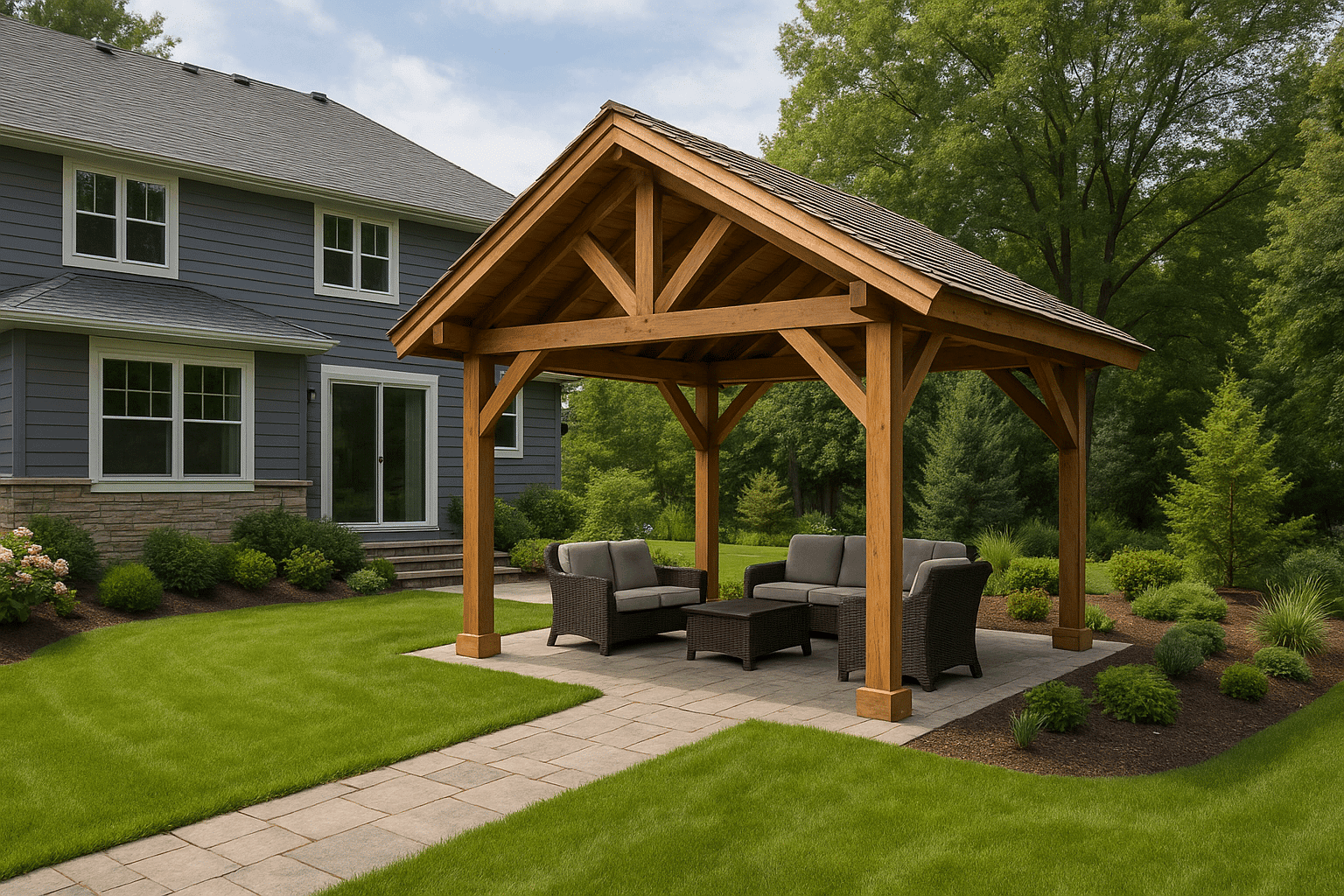
Gabled roof (the classic pitched look)
Clean lines, familiar silhouette, great attic-like height. A gabled roof sheds snow easily and allows for vaulted ceilings or skylights. It can feel formal, but it’s also cozy — a bit of a contradiction, I know, but it works.
Hip roof (sturdy and wind-friendly)
All sides slope down toward the eaves. Hip roofs are more stable in high winds and look polished. They handle snow well and distribute load more evenly. If your property sees gusty storms, this is a smart pick.
Flat roof (modern, simple, but not literally flat)
When people say “flat,” they mean low-slope. It’s a sleek aesthetic and great for adding overhead lighting, a fan, or even a rooftop planter. But low-slope roofs need careful waterproofing and regular maintenance — they don’t shed snow like pitched roofs do.
Gambrel roof (barn-style with attic space)
Two different slopes on each side, offering a higher central area. It’s a bold, rustic look — think country chic. It creates usable overhead room if you want storage or dramatic beams.
Shed roof (single slope, modern and versatile)
A single sloping plane. It’s simple and efficient for rain/snow runoff. Shed roofs give you the chance to place higher windows on one side for natural light; they’re popular on contemporary Pavilions.
Materials matter — match the roof to the climate
Choice of material changes everything: lifespan, maintenance, cost, and how the roof responds to sun and snow. Below is a quick comparison that helps homeowners make clear decisions without getting lost in jargon.
| Material | Pros | Best for |
|---|---|---|
| Asphalt shingles | Affordable, familiar; lots of color choices | Traditional homes, budget builds |
| Metal | Durable, sheds snow, modern aesthetic | Snow-prone areas, modern pavilions |
| Composite or Cedar shakes | Warm look; composites offer low maintenance | High-end finishes, matching historic homes |
Metal roofs are a favorite around here. They reflect sun, help snow slide off, and call less for frequent repairs. Asphalt is cheaper but may need replacement sooner. Cedar looks amazing but needs treatment to resist moisture and pests.
Design features that make a pavilion feel intentional
OK, so you’ve picked a roof shape and material. Now what makes it feel like part of your home rather than just an add-on? Details. Let’s go there.
Overhangs and eaves. These control sunlight and protect furniture from rain. Longer overhangs offer more shade, which is gold in summer.
Exposed beams or rafters. For a craftsman or rustic vibe. They also create visual texture and can support lighting or hanging plants.
Skylights or clerestory windows. Let in light without losing privacy. Great for shaded or enclosed pavilions that might otherwise feel cave-like.
Integrated gutters and snow guards. Sounds boring, but they prevent ice dams and protect your landscape. Trust me — future you will appreciate them.
How to choose based on backyard use and budget
First question: what will you actually do under your pavilion? Dine, entertain, nap, or host a home theater night? Here’s a quick rule of thumb:
- If you host often: pick durable materials and a roof style that handles snow well (gabled or hip) and allows lighting and electrical runs.
- If you want low maintenance: go metal or composite roofing; avoid complex valleys that collect debris.
- If you want a focal point: consider exposed trusses, a gambrel roof, or decorative brackets — they cost more but add personality.
Budgetwise: expect a wide range. A simple metal shed roof will be far less than a cedar-shake gambrel with skylights. But small smart choices — like choosing a durable underlayment or proper flashing — save money later.
Permits, codes, and neighborhood vibes (yes, you’ll need to check)
Here’s the not-so-fun part: permits. Salt Lake City and nearby municipalities have rules about roof height, setbacks, and snow load. And if you live in an HOA, aesthetic rules might apply — some neighborhoods lean traditional; others accept modern statements.
Honestly, calling your local planning office early can save weeks. Ask about required snow-load ratings and whether your pavilion needs engineered drawings. You might think paperwork is tedious, but proper permits protect your investment and future resale.
Seasonal tips — how roofs behave through the year in SLC
Spring brings melting snow and rain; roofs that drain well avoid leaks. Summer brings intense sun — reflective finishes and ventilation matter. Fall dumps leaves into gutters, so plan access. Winter is where design shows its worth: steep slopes and metal roofs help with snowfall, while flat roofs must be monitored for ponding.
Want to make it year-round? Add heaters, insulated roof panels, and roll-down screens. You’ll be surprised how a few changes keep that space usable from March to December.
Finishing touches — lighting, fans, and the little things
Think like an interior designer for the outdoors. Recessed lights in the ceiling, string lights for ambiance, a ceiling fan to move hot air — these are the small choices that make evenings linger longer. Consider built-in speakers or an outdoor projector if movie nights are on your radar.
Also, match trim and paint to your house. A pavilion that looks like it belongs feels intentional. Subtle repetition — same trim color, similar hardware — ties the whole property together.
Ready to design? A few practical next steps
Start with a sketch. Measure the space. Take photos of your backyard at different times of day. Then talk to a licensed contractor who knows SLC weather and codes. You’ll want someone who can advise on snow loads and proper flashing — not just someone who promises a fast install.
If you’re thinking about materials, ask for samples. Hold them in the sun, hold them in shade. You’ll notice things — how a metal panel glints at noon, or how a cedar stain warms as the light changes. Those little tests save regrets later.
Choosing the right pavilion roof style is part art, part engineering, and part lifestyle planning. It’s about how you want to use your backyard, how much care you want to give it, and how it will stand up to Salt Lake City’s seasons. If you like planning, that’s great — if you don’t, that’s fine too. We’ve done hundreds of installations and can guide you through the choices so your pavilion feels like a natural extension of your home.
Ready to talk through ideas or get a personalized plan? Call us at 801-784-6082 or click to Request a Free Quote. Whether you want a sleek metal shed roof or a cozy gabled pavilion with exposed beams, Utah Pergola Company makes it easy — from permit questions to the last finishing screw.