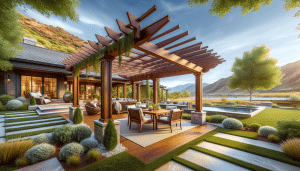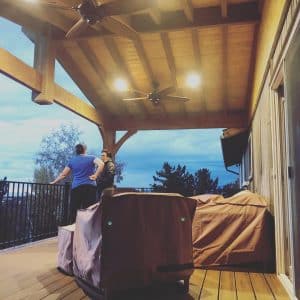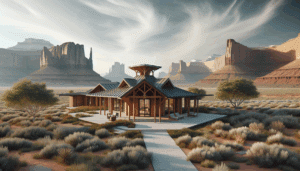
Picture a July afternoon in Salt Lake City. The Wasatch is etched against a bright sky. Your yard is warm, maybe a little too warm. You want shade that actually works—something that makes the space feel calm, private, and comfortable without turning it into a cave. That’s where a wooden Gazebo shines. It’s a small structure with an oversized impact. It anchors your yard, adds cooling shade, and makes the outdoors feel like a room you’ll actually use. Not just once in a while—every week.
Contents
- 1 Why a wooden gazebo just makes sense in Salt Lake City
- 2 Pergola vs. gazebo vs. pavilion: a quick, practical comparison
- 3 The benefits you’ll actually feel day to day
- 4 Design details that matter more than Pinterest
- 5 Maintenance, without the hand-wringing
- 6 What does a wooden gazebo cost in the Salt Lake area?
- 7 Permits, HOAs, and the little processes that make a big difference
- 8 Seasonal ideas: ways you’ll use your gazebo more than you think
- 9 Why homeowners choose Utah Pergola Company
- 10 What to expect when we build your gazebo
- 11 Quick answers to common questions
- 12 Ready to make your backyard feel bigger?
Why a wooden gazebo just makes sense in Salt Lake City
Our climate swings. We get dry, sunny summers and snowy winters. Afternoon canyon breezes can be a blessing—or a nudge that says “you should’ve built something solid.” A wooden gazebo in Salt Lake City handles that rhythm well. The roof blocks high-elevation UV. The structure stands up to wind when it’s properly anchored. And when a fast-moving storm drops rain in August, you can stay outside without sprinting for the patio door.
Compared with a simple pergola, a gazebo gives you full shade, not just dappled light. That matters here. Your skin feels the difference. So does your furniture. You know what? Your afternoon mood does too.
Pergola vs. gazebo vs. pavilion: a quick, practical comparison
| Type | What it does best | Consider if you want |
|---|---|---|
| Gazebo (solid roof, open or screened sides) | Full shade and rain cover; a “room” outdoors | Privacy, lighting, fans, year-round usefulness |
| Pergola (open lattice or slats) | Soft shade and style; vines; airy feel | Filtered light rather than complete shade |
| Pavilion (solid roof, bigger spans) | Large coverage; great over kitchens or big seating | A wide, open footprint for gatherings |
Honestly, if you need a genuine shade solution along the Wasatch Front, a gazebo is a smart middle ground. It’s compact but capable. It’s cozy without feeling cramped. And that roof changes everything.
The benefits you’ll actually feel day to day
Real shade, real relief. Up here, UV can be intense. A solid-roof gazebo in Salt Lake City cools the ground temperature, protects your skin, and lets kids play longer. No guesswork. No shade that disappears at noon.
Privacy you can tune. Add lattice or partial walls, and you’ll create a gentle screen from neighbors. Pull in some potted aspens or ornamental grasses and—poof—the space feels tucked away. Morning coffee tastes different when you feel unbothered.
Useful in more than one season. Spring showers? Stay out and listen to the rain. Late summer thunderheads? You’ll be dry. A small heater in fall turns it into a football-watching nook. We’ve even built gazebos that shelter a hot tub in winter. That steam curling into cold air? It’s a mood.
Fewer bugs, less fuss. Screens and magnetic closures are simple upgrades. No more panicked swatting, just dinner on the patio without the drama.
Family space that actually works. Homework outside. Zoom call without glare. Morning yoga on a dry surface. You’ll end up using it for things you didn’t plan—birthday candles, weekend pancakes, a quiet place while the rest of the house buzzes.
Design details that matter more than Pinterest
Look, photos are great. But comfort comes from details you don’t always see in a picture. Let me explain.
Wood species that play nice with Utah weather
Western Red Cedar: Light, stable, naturally resistant to decay. Takes stain beautifully. Smells like a mountain trail after rain. A local favorite for good reason.
Douglas Fir: Strong and budget-friendly. Needs attentive sealing to handle UV and dry air, but it’s a workhorse. When you want beefy beams, Fir’s a classic.
Redwood: Gorgeous and durable, though often pricier and sometimes harder to source. When color and longevity matter, it’s worth the splurge.
Roof Styles and Materials
Gable roofs move snow well and look sharp near traditional homes in Holladay, Sugar House, or Millcreek. Hip roofs feel tailored and shed wind smoothly—nice near canyon breezes in Draper or Sandy. Octagon roofs nail that classic gazebo vibe for gardens or lake views.
For roofing, we match your home: asphalt shingles for continuity, or standing-seam metal when you want crisp lines and quick snow-shed. Underneath, tongue-and-groove cedar ceilings make the space feel finished and warm.
Footings and engineering (the boring stuff that keeps it standing)
Salt Lake County frost depth is roughly 30 inches. Posts need proper footings and brackets. We design for local snow and wind loads, and we include concealed hardware where possible, so it looks clean but builds strong. Hidden conduit for future power or lights? We love doing that up front so you’re not tearing up pavers later.
Size and placement
A good rule: leave walking space around the furniture you dream about. A 12×12 can host a four-seat dining set with room to breathe. If you plan a grill or bar cart, nudge up to 12×14 or 12×16. Place it to catch evening shade and Wasatch sunsets, but not so far that it feels detached from the kitchen. A small shift—three or four feet—can change the way you use it daily.
Finishes and color
Transparent stains show grain; semi-solid stains even out tone and boost UV protection. We often suggest warm cedar tones near natural rock or darker espresso to pair with modern black window trim. Either way, a quality finish makes maintenance easier and the structure look intentional.
Maintenance, without the hand-wringing
Yes, wood needs care. And somehow, that sounds like a drawback. But here’s the thing—simple, regular care keeps a gazebo looking fresh for years. Think of it like tuning skis before the first powder day: a small ritual with a big payoff.
Plan on a gentle wash each spring. Re-coat stain every two to three years depending on sun exposure; south- and west-facing sides need it first. Check hardware once a season. That’s the list.
Cedar and redwood resist rot and insects by nature. Douglas Fir wants a bit more sealing. Snow shed is fine; you don’t need to shovel the roof, but it’s smart to brush off extreme loads during prolonged storms. And if “I’ll get to it” isn’t your style, no judgment—we offer maintenance support so your wooden gazebo keeps that fresh, cared-for look without a weekend project.
What does a wooden gazebo cost in the Salt Lake area?
We build custom, so there’s a range. Most projects land somewhere between a quality patio set and a compact car. You’re paying for materials, craftsmanship, and engineering that fits this climate.
- Size and shape: 10×10, 12×12, 12×16—footprint drives materials and time.
- Wood species: Cedar and redwood cost more than fir but bring natural durability.
- Roofing and ceiling: Shingles vs. metal; exposed rafters vs. tongue-and-groove.
- Site work: Concrete footings, pavers, grading, or retaining needs.
- Upgrades: Screens, lighting, fans, heaters, privacy panels, electrical.
As a ballpark, many custom wooden gazebos we build in Salt Lake City fall in the 12–35K range. Smaller, simpler structures can be less; fully tricked-out builds can be more. We’ll lay out options clearly—no surprises, just the choices and what they change.
Permits, HOAs, and the little processes that make a big difference
Salt Lake City and nearby municipalities handle accessory structures a bit differently, but here’s the gist. Many gazebos over 200 square feet require a building permit. Under that threshold, you may still need zoning checks for setbacks and utility clearances. HOAs in Daybreak, Herriman, Draper, and parts of Holladay often want a submittal with materials and color—no problem, we prepare those.
We call Blue Stakes of Utah 811 before digging. We handle drawings and engineering when required. Typical permit timelines run two to six weeks depending on season. We’ll guide you through all of it so your gazebo installation stays smooth and legal.
Seasonal ideas: ways you’ll use your gazebo more than you think
Spring: Set a small cafe table under the roof, add a vase of tulips, and watch the yard green up. Shelter means a shower doesn’t end your morning.
Summer: Swap sunburn for shade. Hang a simple fan and string lights. Grill near the edge and let the hot air drift out while you stay cool.
Fall: Add a portable heater and a plaid throw. Sip cider while the maples flare red. Host a watch party with a compact TV tucked behind a privacy panel.
Winter: No, you won’t sit for hours in January. But a hot tub inside? Or a quick breath of cold air under a dry roof? It’s oddly perfect.
Why homeowners choose Utah Pergola Company
We’re locals. We know the wind that shows up out of nowhere in Cottonwood Heights. We know sun exposure in Daybreak hits different than in the Avenues. And we build to last, not just to look good on day one.
- Engineered for SLC conditions: Snow, wind, and frost depth are handled in the design.
- Craftsmanship first: Clean joinery, concealed hardware, and tight lines that stay true.
- Clear process: Transparent pricing, schedules that stick, and a crew that respects your yard.
- Custom design help: We provide drawings and material samples so you can see it before it’s built.
When people search for gazebo builders in Salt Lake City, they’re really asking for a trusted team that listens. That’s us. It’s why so many neighbors refer Utah Pergola Company after we finish their project.
What to expect when we build your gazebo
Conversation and site check. We measure, note sun angles, and ask how you want to use the space. Morning coffee or big dinners? We design around that.
Design and quote. You’ll see your options in writing—materials, finishes, timeline. You can tweak until it fits your budget and your vision.
Permitting and prep. We coordinate with the city, your HOA when needed, and Blue Stakes for safety.
Build. Our team handles footings, structure, roofing, and finish. Clean site, respectful crew, tidy tools at the end of each day.
Walkthrough. We share care tips and check every detail with you before we call it done.
Quick answers to common questions
- How big should it be? For four to six people at a table, 12×12 feels great. Add a grill or sectional, and 12×16 gives you elbow room.
- Can you add screens or curtains? Yes—fixed screens, magnetic doorways, or weather-resistant curtains for seasonal use.
- What about lighting and fans? We pre-wire for dimmable LEDs and a fan rated for outdoor use. Switches can be inside the house or at a post—your call.
- Does wood last here? With the right species, finish, and a simple maintenance rhythm, absolutely. Cedar gazebos in SLC can look amazing a decade on.
- Hot tub under a gazebo? Common and smart. We ensure proper clearances, ventilation, and electrical, plus privacy panels where you want them.
Ready to make your backyard feel bigger?
If you’ve been thinking about a wooden gazebo, consider this your sign. We’ll design it to fit your yard, your routines, and our climate—no fluff, just a space you’ll love using.
Call 801-784-6082 or tap below to talk with our team.