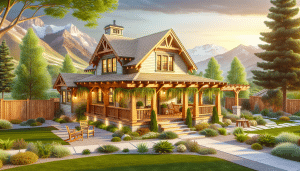
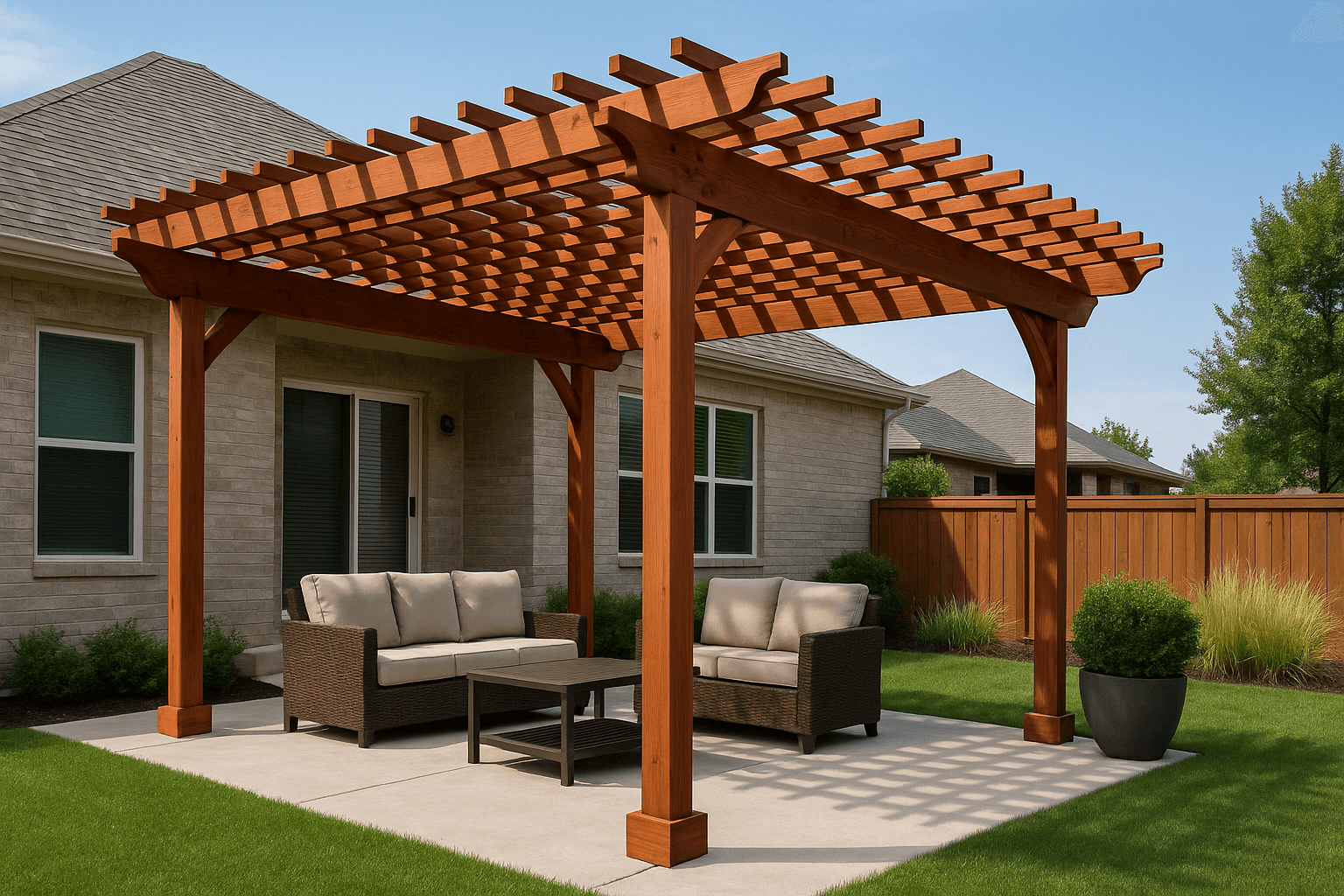
Bright Utah sun. A cool breeze rolling off the Wasatch in the evening. And a backyard that looks good year-round. If that’s the picture, a Redwood pergola is the frame. Homeowners across Salt Lake City want shade that doesn’t block the view, structure without bulk, and style that feels warm—not industrial. That’s exactly where redwood shines. It filters harsh light, sets a relaxed mood, and adds real value to your home. You get comfort now and curb appeal later.
Contents
- 1 Why Redwood Makes Sense on the Wasatch Front
- 2 Shade You Can Feel, Style You Can See
- 3 Design Moves That Matter (For Your Yard)
- 4 Pergola, Pavilion, or Gazebo—Which Fits Your Space?
- 5 Material Showdown: Redwood vs Cedar vs Aluminum
- 6 Built for Utah Weather: Structure and Specs
- 7 Maintenance Made Simple (Truly)
- 8 Real Costs and Real Value in SLC
- 9 Permits, HOA, and Neighbor Smiles
- 10 Small Yards, Big Impact
- 11 Lighting, Heat, and Little Comforts That Change Everything
- 12 Quick Answers We Hear A Lot
- 13 Why Utah Pergola Company?
- 14 Ready When You Are
Why Redwood Makes Sense on the Wasatch Front
Here’s the thing: Utah’s high-altitude sun is no joke. It’s stronger, it’s drier, and it can be rough on outdoor Materials. Redwood handles that reality well. Thanks to natural tannins and tight grain, it resists decay and weather better than many softwoods. It’s stable, so it’s less likely to twist or cup. And the color—warm, rich, and genuinely inviting—only gets prettier with a good oil finish.
People often ask, “Why not aluminum?” It’s clean and modern, sure. But aluminum can get hot to the touch in summer, and it rarely blends with Utah’s landscapes like redwood does. Cedar’s another good option, especially Western Red Cedar, but redwood tends to have longer-lasting heartwood and a slightly denser feel under hand tools. Honestly, any of those can work; we just find redwood gives that sweet spot of beauty, durability, and comfort you can feel.
You know what? Shade isn’t just about blocking light. It’s about softening it. A Redwood pergola in Salt Lake City filters light like a good pair of sunglasses—less glare, more glow. It’s not a wall, yet it creates a room. That paradox is the magic.
Shade You Can Feel, Style You Can See
Most pergolas don’t aim for full blackout. They aim for that dappled pattern you see under trees. With thoughtful spacing of rafters and slats, you can tune shade to the time of day. Want more coverage for midday grilling? We adjust spacing and angle. Prefer late-afternoon lounging? We rotate the layout to cut that western blaze that hits the valley.
We can also layer shade. A simple runner canopy adds seasonal coverage. A retractable fabric lets you chase the light—opened for starry nights, closed for July afternoons. If you love vines, redwood pairs beautifully with wisteria or table grapes; the structure is sturdy enough, and the look is hard to beat. It’s a bit old-world wine patio meets Wasatch backyard. And it works.
Design Moves That Matter (For Your Yard)
Every yard reads a little different: Sugar House bungalows with cozy patios; newer Daybreak builds with clean lines; Millcreek homes with those tall, leaf-heavy trees. We match the pergola to your home’s architecture and your daily rhythm. Freestanding or attached, chunky posts or slim lines, natural oil finish or a stained tone—these little decisions add up.
Let me explain what usually moves the needle:
- Structure that feels right-sized. 6×6 or 8×8 posts, depending on span and style. A heavier beam brings presence; a lighter profile feels airy.
- Smart shade layout. Slat spacing, rafter overhangs, and orientation make a big difference in real-world comfort at 4 p.m. in July.
- Built-in function. Lighting, outdoor outlets, a ceiling fan, or a discreet heater make the space usable in spring and fall.
- Privacy where you want it. Slatted screens or laser-cut panels block neighbor views while keeping the breeze.
- Seating and storage. Benches, planters, or a grill station turn a pretty structure into a daily hangout.
It’s your routine we’re designing for. Morning coffee, after-work unwind, Saturday birthdays. That’s the measure.
Pergola, Pavilion, or Gazebo—Which Fits Your Space?
Quick rundown, because the words get swapped a lot. A pergola has an open roof with slats. It filters sun and defines a room while staying light and airy. A pavilion has a solid roof—great for full rain protection or snow shedding, more like an outdoor room with a lid. A gazebo is usually freestanding, sometimes octagonal, and leans traditional.
If you want sunglasses for your patio, choose a Redwood pergola. If you want an umbrella, go pavilion. We build both, but the pergola wins when you want light, airflow, and a look that feels custom to the landscape—especially along the Wasatch Front where sunsets are part of the daily show.
Material Showdown: Redwood vs Cedar vs Aluminum
Different yards call for different materials. Here’s a quick, simple comparison to help you think it through.
| Material | Look and Feel | Care and Notes |
|---|---|---|
| Redwood | Warm, natural grain; classic mountain-modern vibe. | Oil or stain every 2–3 years; strong, stable; great for outdoor shade. |
| Cedar | Lighter tone; pleasant aroma; slightly softer feel. | Similar care; excellent performance; sometimes more knotty depending on grade. |
| Aluminum | Sleek and modern; very uniform. | Low maintenance; can feel hotter in summer; doesn’t patina like Wood. |
We’re big fans of wood because SLC’s architecture mixes craftsman roots with clean contemporary lines. Redwood hits that balance nicely. But if your design leans ultra-modern, we can talk aluminum accents or hybrid builds. There’s more than one way to shade a patio.
Built for Utah Weather: Structure and Specs
Wind off the canyon. Dry heat. Winter storms that show up fast. We build for all of it. That means properly sized footings, post bases that stay dry, and connections that shrug off gusts.
Most custom pergola builds include:
- Engineered footings. Depth and diameter set for local soil and frost lines.
- Quality hardware. Simpson Strong-Tie connectors, hot-dipped galvanized or powder-coated steel; hidden where possible.
- Thoughtful spans. Beam sizing that respects snow and wind, even for an open-roof structure.
Note: A pergola isn’t a roof and doesn’t carry the same snow load as a pavilion. That said, we apply the same discipline. Everything gets fastened right, flashed right (for attachments), and sealed where it needs it. We care about the details you can’t see because they’re the ones that keep the thing beautiful long-term.
Maintenance Made Simple (Truly)
Redwood ages gracefully, especially with a little care. Think easy, not fussy. Hose off dust, brush away leaves, and give it a simple wash in spring. Skip harsh pressure-washer blasts; a gentle rinse and mild cleaner do the job without raising the grain.
For finish, a penetrating oil or a high-quality exterior stain works well here. In our dry climate, plan on refreshing every 2–3 years for rich color, sometimes 3–4 if shaded and protected. Touch up high-sun areas more often than protected corners. It’s quick work. Many homeowners in Salt Lake City make it a Saturday project once every few summers.
If you prefer a low-touch approach, we can set you up with a maintenance plan. Either way, keeping your Backyard Shade structure in top shape is straightforward. The reward is a pergola that looks new for years.
Real Costs and Real Value in SLC
Let’s talk numbers without tap-dancing. Most Salt Lake City pergola projects in redwood, built by a professional crew, land in a few common ranges based on size and features. Small, simple builds usually start in the mid-to-high four figures. Larger structures with lighting, privacy screens, and premium finishes run higher. Custom details—like integrated seating, outdoor kitchens, or advanced canopies—add cost but also add daily usefulness.
What about DIY? Some folks love it, and we’re here for that spirit. Just account for tool costs, time, and permits. Also, spans, footing depth, and attachments to your home are safety-critical. If those pieces feel hazy, hiring a pro protects you and your investment. The long-term value shows up in comfort, property appeal, and the simple fact that you’ll use the space more. That’s the point, right?
Permits, HOA, and Neighbor Smiles
Yes, permits can apply in Salt Lake City depending on size, height, and whether the pergola attaches to your home. HOAs also have rules on placement, color, and height. We handle the boring stuff—site plans, drawings, and communication—so you can focus on finishes and layout.
Setbacks matter too. A foot too far can be a headache later. We verify local guidelines, think through drainage, and make sure gates, paths, and air-conditioning equipment stay happy. And because it’s Utah, we also consider snow shedding from house roofs toward the pergola when it’s attached. Small detail, big peace of mind.
Small Yards, Big Impact
Not every SLC yard is sprawling. That’s fine. A well-placed Pergola Builder in Salt Lake City can turn a modest patio into the favorite room of the house. Narrow lot in Sugar House? A slim, attached redwood frame with a privacy screen makes it feel intentional and cozy. Side yard in the Avenues? A compact structure with a bench and planters turns “walkthrough” into “stay awhile.”
Pro tip: Use vertical layers. Pergola above, planters at seat height, and a few taller shrubs. It creates a sense of enclosure without closing things in. Lighting at knee level plus a warm overhead glow keeps summer dinners easy and safe.
Lighting, Heat, and Little Comforts That Change Everything
We’re in a four-season climate. Stretching the outdoor season is the trick. Add a soft LED wash on the beams, a dimmable pendant over the table, and a quiet fan for still summer evenings. If you love fall dinners, a low-profile radiant heater changes the game. You get cozy without bulky equipment taking over the space.
And don’t forget sound. A couple of weather-rated speakers tucked into the structure can make a backyard movie night or Sunday brunch feel planned, even when it’s not. Small tweaks, big returns.
Quick Answers We Hear A Lot
We like straight talk. A few quick hits:
- How long does a redwood pergola last? Decades with basic care. Most wear comes from sun exposure; a simple finish refresh keeps it strong and sharp.
- Will it warp? All wood moves a bit, especially with Utah’s dry air. We use proper drying, grain selection, and smart joinery to keep it stable.
- Do you build year-round? Yes. We work around weather and schedule pours and finishes when the forecast plays nice.
- Can I add to it later? Usually. We can plan for future lighting, heaters, or screens so upgrades are clean and simple.
If you’ve got a unique site—slope, tricky access, or older masonry—we’ll come take a look and offer clear, practical options.
Why Utah Pergola Company?
We’re local. We know the microclimates, the code quirks, and which finishes survive July. More importantly, we listen. Our team balances clean carpentry with a designer’s eye, so your pergola doesn’t just stand—it belongs. From permits to final wipe-down, Utah Pergola Company keeps it easy and enjoyable.
And perhaps this is the most important piece: we build like neighbors, because we are. You’re in our community. Your project carries our name on it. It should feel that way every time you step outside.
Ready When You Are
If a Redwood pergola sounds like the shade and style your home’s been missing, we’d love to see your space and sketch ideas. Call us at 801-784-6082 or hit Request a Free Quote and we’ll get you on the schedule. No pressure—just straight answers and a plan that fits your yard, your budget, and your everyday life.
Utah Pergola Company builds custom outdoor shade that looks right and lasts. Let’s make your backyard the place you actually use—even when the sun’s high and the grill is sizzling.