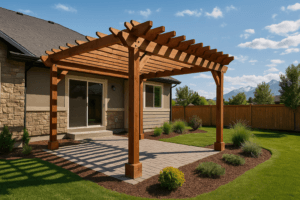
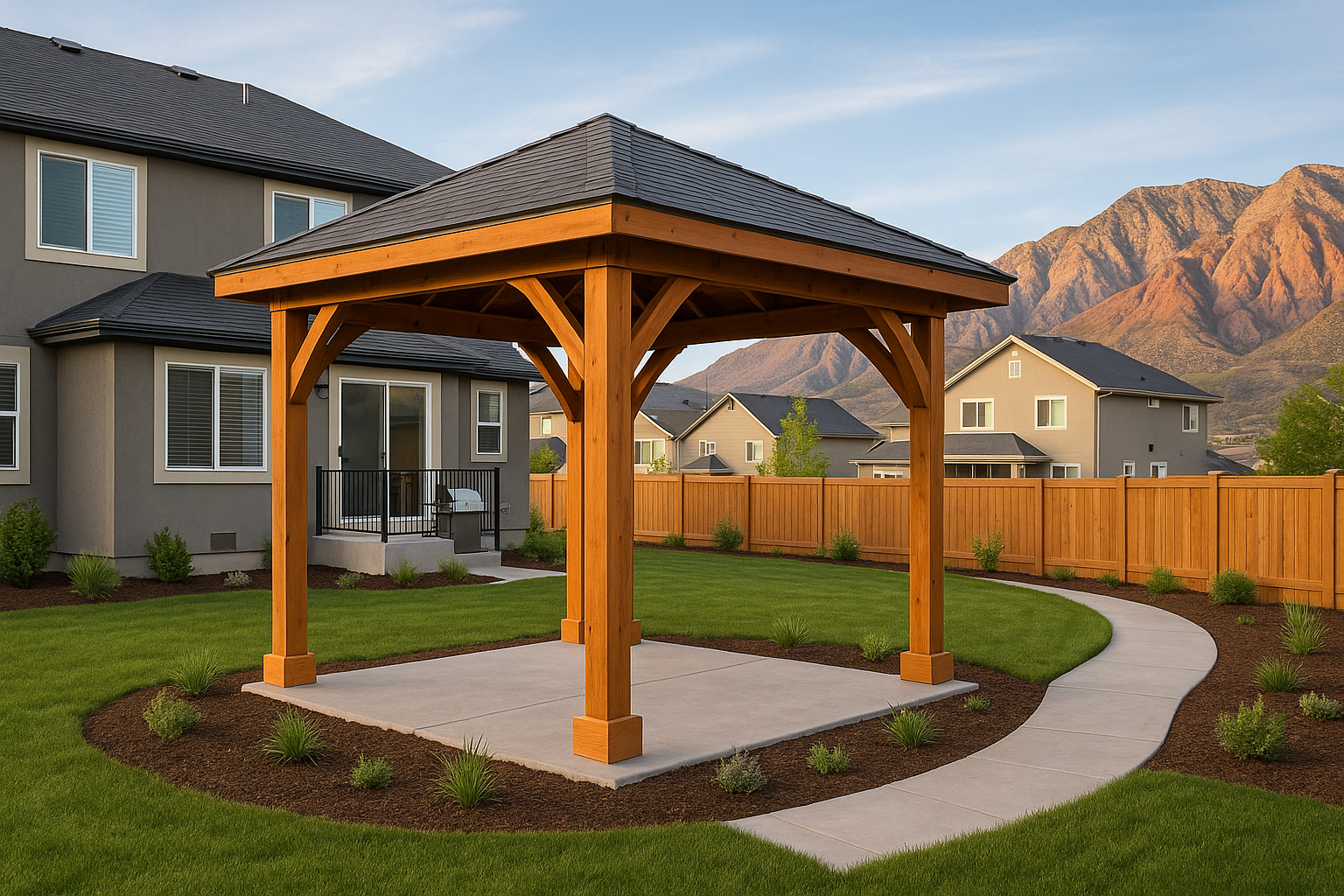
You’re picturing it already: a quiet spot under a handsome roof, a rug under your feet, the Wasatch peeking over your shoulder, and a breeze carrying dinner from the grill. That’s the promise of a well-built residential Gazebo. It’s equal parts shade, style, and sanctuary—and yes, you can build one that looks stunning and stands strong in Salt Lake City’s sun, wind, and snow. Let me explain how to plan it right, pick the right Materials, and tackle the build without losing your weekend spirit.
Contents
- 1 Why a Gazebo Works in Salt Lake City
- 2 Start With Design: Size, Shape, Purpose
- 3 Materials That Make Sense in Utah
- 4 Permits, Codes, and HOA—The Boring Stuff That Saves Headaches
- 5 Tools and Hardware You’ll Actually Use
- 6 Step-by-Step: Build a Stunning, Sturdy Gazebo
- 7 Roof Choices That Look Good and Handle Snow
- 8 Creature Comforts: Power, Lighting, Screens, and Style
- 9 Finishes That Survive Sun and Snow
- 10 Maintenance Through the Four Seasons
- 11 DIY or Hire? Realistic Costs and Time
- 12 Little Design Touches That Make It Stunning
- 13 Local Notes We’ve Learned Building Along the Wasatch
- 14 Thinking DIY or Want It Built for You?
Why a Gazebo Works in Salt Lake City
Gazebos feel classic because they are. But here along the Wasatch Front, they also make real, practical sense. Summers get hot. Afternoon sun reflects off patios. And the dry air can sap the life out of Wood that isn’t protected. A roofed Backyard Shade structure changes how you use your yard—morning coffee, family dinners, homework at the picnic table, or a quiet escape while the sprinklers tick in the background.
The other truth? Our winters test everything. Snow, freeze–thaw cycles, and those surprise gusts down the canyon. A smart design—strong posts, proper footings, and the right roof—keeps a gazebo steady and safe, season after season.
Start With Design: Size, Shape, Purpose
Before sawdust starts flying, decide how you’ll actually use the space. Be a little specific. A 10×10 is cozy for chairs and a bistro table. A 12×12 handles a full dining set. If you’re aiming for a grill station plus seating, 12×16 or 14×14 feels right. Square, octagon, or rectangle? Pick what fits your yard lines and your vibe.
Here’s the thing: gazebos seem simple. They are, and they’re not. The clean lines hide a few structural demands. That’s why a short planning session pays off big later.
Placement: light, wind, views
- Sun and shade. Face a seating area away from harsh west sun. Use the roof overhang to shade your patio in late afternoon when the heat spikes.
- Wind patterns. Here, canyon winds can swirl. Angle the open sides so wind slips around the structure rather than through it.
- Views that matter. Frame the Oquirrhs at sunset or the garden beds you’re proud of. Move a few feet if it captures a better sight line. Small shifts change everything.
Materials That Make Sense in Utah
We build gazebos from wood, metal, or vinyl. Each behaves differently in our dry summers and snowy winters. You know what? There isn’t one “right” choice—there’s a right choice for your style, your time, and your budget.
| Material | Why SLC Homeowners Like It | Care Level |
|---|---|---|
| Cedar or Redwood | Warm look, naturally rot-resistant; perfect for a classic cedar gazebo. | Stain every 2–3 years; watch end-grain and ground contact. |
| Pressure-Treated Pine | Budget-friendly; solid for posts and hidden framing. | Seal or paint; may check or twist in our dry air. |
| Aluminum or Steel | Clean lines; strong against snow; modern look with low upkeep. | Minimal. Rinse, inspect fasteners; powder coat holds well. |
Timber sizes matter more than you think. Heavier beams reduce bounce and help the roof sit proudly. For many backyard builds, 6×6 posts and layered 2×8 or 2×10 beams hit the sweet spot. And use hardware that doesn’t wilt in our winters—hot-dipped galvanized or stainless is worth it.
One last note: composite decking for the gazebo floor? Great choice for low care. Just mind gapping for our freeze–thaw swings.
Permits, Codes, and HOA—The Boring Stuff That Saves Headaches
It isn’t glamorous, but it matters. Salt Lake City’s Building Services often exempts very small detached structures from permits, but a roofed gazebo with real footings and a solid roof usually needs approval once you cross certain size thresholds—commonly around 200 square feet. Always confirm current rules with the city and your HOA.
- Footings and frost depth. Plan for footings to reach local frost depth, commonly around 30 inches in the valley.
- Snow load. Roofs here are designed for notable snow loads—often 30–43 psf. Your truss or rafter sizing should reflect that.
- Setbacks and height. Keep clear of property lines; typical setbacks can be a few feet, but check your lot.
- Electrical. GFCI protection outdoors is non-negotiable; conduit and burial depths apply.
If this sounds like alphabet soup, we get it. Paperwork isn’t fun, but it keeps your project safe and insurable. We help folks with this every week as a local Salt Lake City gazebo builder.
Tools and Hardware You’ll Actually Use
You don’t need a truckload of specialty gear, but solid tools save time. A circular saw and a sharp blade do most of the work. An impact driver—say a DEWALT or Makita—seats structural screws cleanly. A 12-inch miter saw speeds up rafters and trim. And a post-hole digger (or better, a two-man auger) saves your shoulders.
Hardware makes or breaks the frame. Count on brands like Simpson Strong‑Tie for post bases, hangers, and hurricane ties. Structural screws like GRK, FastenMaster TimberLOK, or Simpson SDWS offer strength without pre-drilling in many cases. Keep everything galvanized or stainless, especially where moisture lingers.
Step-by-Step: Build a Stunning, Sturdy Gazebo
Every yard is different, but the rhythm stays the same. Here’s a simple roadmap that works well across Salt Lake City neighborhoods, from Sugar House to Daybreak.
- Layout and mark. Square the footprint with the 3‑4‑5 method. Pull string lines tight and check diagonals match.
- Dig and pour footings. Go to frost depth. Bell the bottoms if soil is loose. Set rebar and pour concrete. Place Simpson post bases in the wet concrete or use wedge anchors once cured.
- Set 6×6 posts plumb. Use temporary braces. Trim tops to a consistent elevation; a level beam line makes the whole build look clean.
- Beam assembly. Sandwich double 2x8s or 2x10s around the posts with structural screws. Add decorative beam wraps later for a finished face.
- Rafters or trusses. For a hip or gable roof, cut consistent birdsmouths. Add a ridge board if needed. Use hurricane ties at each seat cut.
- Roof deck. Sheath with exterior-grade plywood or install purlins for metal panels. Leave proper overhangs—8 to 12 inches shields walls and makes shade deeper.
- Roofing. Asphalt shingles match many homes. Metal sheds snow well and looks sharp. We’ll talk choices next.
- Flooring. If you want a raised deck, use ground-contact lumber or steel framing and ventilate beneath. On a slab, add an anchor layout before posts go up.
- Trim and details. Fascia boards, corner brackets, and simple corbels add character. Keep lines crisp; small details read big from the patio.
- Finish and seal. Stain cedar or redwood with a UV-blocking product. Caulk critical joints. Touch every fastener with a quick inspection.
Safety check: wear eye and ear protection, watch overhead loads, and be mindful around electrical. A gazebo is a friendly project, but it still demands respect.
Roof Choices That Look Good and Handle Snow
Gazebo roofs do a lot. They must shed water, block sun, and carry snow without sagging. Style meets structure here.
- Gable roof. Classic lines, great ventilation, good snow shedding. Matches many Utah homes.
- Hip roof. More complex cuts, beautiful symmetry, and rock‑solid in wind.
- Metal panels. Light, tough, quick to install. Choose a matte finish to reduce glare in bright summer sun.
- Shingles. Blend with your house roof; easy maintenance, straightforward install.
- Polycarbonate panels. Let in filtered light; choose UV-protected panels that handle snow load ratings.
A mild contradiction that makes sense: a slightly steeper pitch helps snow slide, yet more shade often comes from a lower roofline. We tend to choose a balanced pitch—attractive from the yard, smart for winter, and still generous with shade.
Creature Comforts: Power, Lighting, Screens, and Style
This is where your gazebo goes from “nice” to “we live out here now.” Bring in function with a few thoughtful upgrades.
- Lighting. Warm LED string lights, a center pendant, or low-voltage sconces. Keep everything outdoor-rated.
- Power and outlets. GFCI receptacles, conduit runs, and a switch at the entry. Hire a licensed electrician if you’re not fully comfortable with code.
- Fans and misters. Ceiling fans move air on still evenings. Simple misters help on those triple-digit days; drain them before the first freeze.
- Screens and privacy. Mosquito netting tracks, roll-down shades, or slatted privacy walls that angle away from neighbors’ windows.
- Built-ins. A slim bench, a narrow bar ledge, or a hidden storage nook for cushions and games.
Style tip: tie your gazebo to your house with repeating elements—same stain family, a matching metal color, or similar fascia widths. Subtle harmony looks expensive without being fussy.
Finishes That Survive Sun and Snow
Our high UV and low humidity are a weird pair. Wood dries out fast, but sun beats on finishes. Choose a stain that blocks UV and breathes. Products like Penofin, TWP, or Behr’s premium exterior stains work well here. Two thin coats beat one heavy coat every time.
Metal frames like powder-coated aluminum need little care. A seasonal rinse and a fastener check usually do it. For shingles and metal roofs, clear debris in fall so snowmelt flows cleanly.
Maintenance Through the Four Seasons
Good news: upkeep is simple when you schedule it. Put these on your calendar; they’re fast.
- Spring. Tighten fasteners, clean the roof, and touch up stain on high-wear spots.
- Summer. Rinse dust, check for sun-faded patches, and oil squeaky hinges or brackets.
- Fall. Clear leaves, re-seal any hairline gaps, and winterize misters or power cords.
- Winter. Use a roof rake if a big storm lingers. Don’t chip ice—protect the shingles and panels.
Honestly, most of this is a one-hour routine with a good ladder and a careful eye.
DIY or Hire? Realistic Costs and Time
Here’s a straightforward breakdown that fits most Salt Lake City backyards. A DIY 10×10 to 12×12 residential gazebo in wood may land between $3,500 and $9,500 in materials, depending on lumber prices, roofing choice, and finishes. Step up to a 12×16 with premium cedar, metal roofing, and lighting, and it can run higher. Add labor, permitting help, and custom design from a pro crew and you might see $12,000 to $25,000 for a polished, warrantied build—especially for snow-rated roofs and intricate trim. And yes, timelines shrink when a team shows up with the right tools and a plan.
DIYers often take a few weekends, plus weeknight prep. Pros can set posts on day one, frame by day three, and roof by the end of the week—weather cooperating. If electrical, permits, and structural sizing make you pause, that’s a good reason to bring in help. No shame in that—you’re guarding your home value and your time.
Little Design Touches That Make It Stunning
Stunning lives in the details. It’s the way the fascia lines up with the beams. It’s the way the posts land gently on stone pads. It’s the reveal on a corbel that repeats around the structure so your eyes feel a rhythm. And it’s the finish—rich, even, and protected from sun.
- Proportions. Beefier posts and beams look intentional and carry snow without worry.
- Overhangs. Eight to twelve inches create shade and elegance, especially with a gentle crown molding or clean metal edge.
- Flooring flow. Match or complement your patio pattern so the gazebo feels “built with” the backyard, not “added to.”
- Layered light. One warm overhead plus small accents—instant evening magic.
If you want a showpiece, consider a tongue-and-groove cedar ceiling under the roof deck. It smells like a mountain cabin after a summer rain, and it photographs beautifully. Small indulgence, big payoff.
Local Notes We’ve Learned Building Along the Wasatch
A few Salt Lake City quirks deserve a mention. Afternoon glare off light-colored concrete can be fierce, so deeper overhangs and darker rugs help. Sprinkler overspray beats finishes—aim heads away from posts and use drip lines near the base. On smoky summer days, fans earn their keep. And if you’re that family that hosts until late, low, indirect light keeps bugs calmer and neighbors friendlier.
One more tip: if you love a west-facing view, consider a lattice or slat wall on the west side only. You’ll still catch the sunset over the Oquirrhs, but you won’t roast while you wait for the color show.
Thinking DIY or Want It Built for You?
You can build a beautiful gazebo yourself with patient planning and good hardware. But if you’d rather skip to the part where you’re clinking glasses under a finished roof, we’re here for it. As Utah Pergola Company, we design and build custom gazebo Utah projects that handle heat, wind, and snow—without cutting corners. We handle design, permits, materials, and meticulous installation. You enjoy the shade.
Tell us what you see in your head—the dining table, the string lights, the morning quiet. We’ll make a plan that fits your yard and your life, from Sugar House bungalows to South Jordan family hubs and everywhere between.
Ready to talk? Call us at 801-784-6082 or tap below to Request a Free Quote. Your porch swing can wait—your new gazebo won’t build itself.