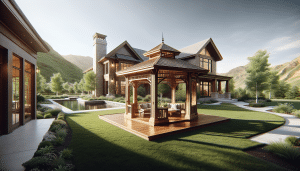
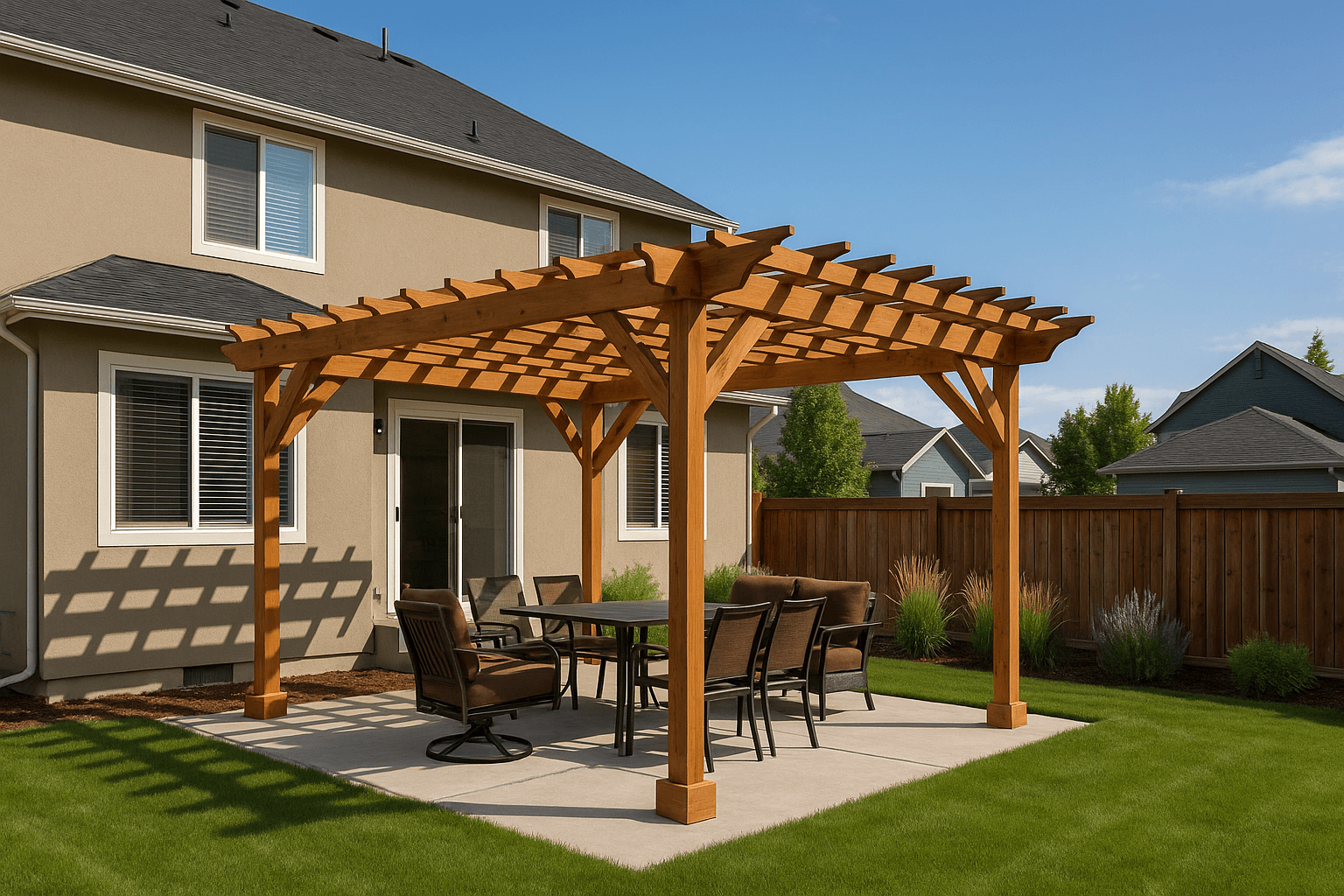
Picture this: a warm Salt Lake evening, the Wasatch glowing pink, dinner on the patio, and you’re not squinting into the sun. You’re under a light, breezy structure that looks custom but didn’t drain your summer budget. That’s what DIY Pergola kits aim for—simple parts, a weekend of honest work, and years of shade you can feel. And yes, it really can be that smooth when you know a few local tricks.
Contents
- 1 Why DIY pergola kits make sense for Salt Lake backyards
- 2 So what counts as a DIY Pergola Kit?
- 3 Salt Lake realities: sun, snow, wind, code
- 4 Materials that behave well in Utah
- 5 Placement, sizing, and shade you can actually feel
- 6 What you’ll actually need: time, tools, and helpers
- 7 A friendly step-by-step that covers the real stuff
- 8 Mistakes we see (and how to avoid them)
- 9 What does it cost around Salt Lake?
- 10 DIY or call in a crew? A fair, balanced take
- 11 Maintenance that actually sticks in Utah
- 12 Design ideas that feel like home around SLC
- 13 Ready to shade your yard the easy way?
Why DIY pergola kits make sense for Salt Lake backyards
A pergola adds shade, shape, and a touch of architecture. It frames your yard. It pulls people outside. With a kit, the hard stuff is pre-thought—matching components, known spans, and parts that fit. You still get hands-on satisfaction without hunting for every last bracket.
Here’s the thing: Salt Lake City gets strong UV and real winter loads. That means a pergola isn’t just cute; it’s practical. You cut glare. You cool the patio by several degrees. You create a spot that works for morning coffee or a late-night chat. The right kit helps you handle sun in July and snow in January, without guesswork.
And, you know what? Kits are forgiving. If you can measure, dig, level, and bolt, you’re already most of the way there.
So what counts as a DIY Pergola Kit?
A proper kit comes with posts, beams, rafters, hardware, and clear instructions. Some include shade screens or motorized louvers. Others keep it classic with open slats. If you like options, you’ll find plenty.
| Kit type | Why people choose it | Best for |
|---|---|---|
| Cedar pergola | Warm look, easy to cut, smells great | Natural style, craftsman homes, mid-century yards |
| Aluminum pergola | Low maintenance, strong, clean lines | Modern patios, higher wind areas, low upkeep |
| Vinyl pergola | Budget-friendly, simple to clean | Rental properties, quick refreshes |
| Louvered pergola | Adjustable shade; some are motorized | All-day use, rainy-day grilling, flexible shade |
If you’re hunting SEO-friendly terms while you shop, keep an eye on pergola kits Salt Lake City, aluminum pergola, and cedar pergola. They surface solid brands and local-ready options.
Salt Lake realities: sun, snow, wind, code
Let me explain why local details matter. We’re at higher elevation, so UV is stronger. Finishes fade faster. We also get canyon winds and bursts of heavy, wet snow. A pergola has to be anchored right and sized right.
– Snow load. Many areas around SLC design between 30–43 psf. Open-slat pergolas shed most snow, but beams still carry weight in storms. Choose kits with published spans and, if possible, a snow-load rating.
– Wind. Those east winds can flex weaker frames. Look for steel or heavy-gauge aluminum brackets and solid post bases. Simpson Strong-Tie is a good sign.
– Footings. Frost depth here runs roughly 30–36 inches. Your footings should get below that to avoid heave.
– Permits. The City may require a permit for attached pergolas or larger free-standing structures. Call the building department, and call Blue Stakes of Utah 811 before digging. It takes minutes and saves headaches.
– HOA approvals. Daybreak, Holladay, and many planned communities want a sketch and finish samples. It’s normal.
It sounds like a lot, but it’s really a checklist. The right kit plus a Saturday gets you most of the way there.
Materials that behave well in Utah
We install all kinds, and each has a personality. Here’s a balanced take that keeps it simple—and honest.
Cedar (or Redwood) feels classic
Cedar is beautiful. It cuts clean, accepts stain, and smells like a high-mountain trail when you notch it. It does need maintenance—UV-rated stain every couple of years and a quick wash. If you like a warm, natural look and easy DIY cutting, cedar sits at the top.
Powder-coated aluminum is the low-upkeep champ
An aluminum pergola doesn’t warp, rust, or ask much from you. It’s great for modern homes in Sugar House or Millcreek. Get a heavier gauge if you want long spans or live in wind corridors. Dark Colors absorb heat; lighter tones stay cooler to the touch.
Vinyl is simple and budget-friendly
Vinyl pergolas are light and bright. They resist rot and need only soap and water. They’re not as rigid as aluminum or Wood, so keep spans modest. For townhomes or rental properties, it’s a smart move.
Steel means serious strength
Powder-coated steel looks crisp and handles wind well. It’s heavier, and sometimes harder to DIY without extra hands, but the finished structure is rock solid.
Louvered systems for year-round use
A louvered pergola lets you tilt slats open for sky or closed for shade and light rain. Motorized options can feel fancy—because they are—but they’re also practical when weather shifts every 15 minutes like it does in spring.
Placement, sizing, and shade you can actually feel
Little choices change everything. Orientation, spacing, beam height—these decide comfort.
– Orientation. In SLC, run rafters north–south and slats east–west to cut harsh afternoon sun. That simple move boosts shade in summer without making winter feel gloomy.
– Rafter spacing. Tighter spacing equals deeper shade. A common pattern is 12–16 inches on center with 2×2 or 2×3 purlins on top. Want more shade? Add a UV fabric screen or a retractable canopy.
– Height. 8–9 feet clears most doors and keeps shade low and useful. Go taller if the view is the point—think Foothill benches or views into the valley.
– Size. A 10×12 works for a bistro set. A 12×16 fits a dining table and grill. If you’ve got a hot tub, frame it like a room—maybe 12×12 with privacy screens.
Honestly, a tape measure and a sunny afternoon tell the truth: sketch it in chalk and stand there at 5 pm. You’ll feel if the size is right.
What you’ll actually need: time, tools, and helpers
You don’t need a cabinet shop. Just normal tools and a can-do Saturday. A friend helps, though.
- Time: Most kits finish in 6–12 hours across a weekend.
- Crew: Two people for raising posts and setting beams is plenty.
- Tools: Tape, level, laser or string line, post-hole digger or 6–8 inch auger, miter saw, impact driver, sockets, mallet, and a concrete mixing tub or wheelbarrow.
- Materials: Quikrete 50–80 lb bags, gravel for drainage, corrosion-resistant fasteners, and rated post bases or anchors.
- Safety: Eye and ear protection, gloves, sunscreen. Hydrate; it’s Utah.
If you’re attaching to the house, add a ledger board with proper flashing. Use structural screws, not drywall specials. Simpson Strong-Tie, FastenMaster, and GRK are names you want on your boxes.
A friendly step-by-step that covers the real stuff
It’s not rocket science, but accuracy matters.
– Layout and mark. Pop lines with chalk. Square the footprint using the 3-4-5 method (or a laser if you’ve got one). Mark post centers.
– Dig and set footings. Go below frost depth where required. Bell the bottom if soil is loose. Drop 3–4 inches of gravel for drainage before concrete.
– Anchors and bases. Wet-set anchors or use approved post bases on cured pads. Keep them square. Keep them aligned. Future-you will be grateful.
– Posts. Cut to height, plumb, and temporarily brace. Minor contradictions here: set them dead plumb, then sometimes lean a hair into expected load if the kit instructions call for it. The instructions win.
– Beams. Set double beams or aluminum headers according to the span tables in the manual. Through-bolt where required; don’t substitute short screws.
– Rafters and purlins. Space evenly. Pre-drill hardwoods. Toe-screw carefully to avoid splits. Use hurricane ties if wind is a worry.
– Shade add-ons. Install screens, lattice, or a retractable canopy. For louvered pergola kits, follow the motor wiring path shown—drip loops matter.
– Finish. Stain cedar with a UV-inhibiting exterior finish. Aluminum and steel? Wash and enjoy.
One more local note: set the lowest member a bit off the patio surface. You’ll dodge splash-back and get longer life from wood.
Mistakes we see (and how to avoid them)
We want you to win your weekend. These are the common snags.
– Shallow footings. Concrete that stops above frost depth can heave. Go deeper and tamp the base gravel.
– Undersized hardware. If wind hits from the east, small screws loosen. Use structural-rated fasteners and proper brackets.
– Skipping flashing. House-ledger pergolas need flashing tucked under siding. Water always finds a path; give it a safe one.
– Over-spanning. A 2×8 only does so much. Follow the kit span chart. It’s there for a reason.
– Finishes too late. Sun here is brutal. Stain wood early, then touch up after install.
If something feels off during the build, stop and call. That five-minute chat often saves two hours of rework.
What does it cost around Salt Lake?
Costs shift with materials and size, but this gives you a ballpark for DIY kits plus basic materials.
| Type | Typical size | DIY kit range |
|---|---|---|
| Cedar pergola | 12×12 | $1,800–$3,800 |
| Aluminum pergola | 12×16 | $3,200–$6,500 |
| Vinyl pergola | 10×12 | $1,400–$2,800 |
| Louvered (manual/motorized) | 10×14 | $4,500–$12,000+ |
Concrete, anchors, and stain usually add a few hundred dollars. If you want lighting, plan a separate line item for a licensed electrician.
DIY or call in a crew? A fair, balanced take
We love DIY builders. We also meet folks mid-project who want a hand. Both paths are fine.
– DIY makes sense when you have basic tools, a friend to help lift beams, and a free weekend. Cedar and vinyl kits tend to be the easiest.
– Hire it out when you’re attaching to a tricky stucco wall, your site slopes, or you need permits and engineering. Aluminum and louvered systems often go faster with a pro.
Here’s our mild contradiction: pergolas are “easy,” but they’re also structures that live in sun, wind, and snow. When you want it fast, straight, and worry-free, a seasoned team is worth it. When you want the pride of building it yourself, a kit is a perfect canvas.
Maintenance that actually sticks in Utah
Keep it short and keep it real.
– Wood. Rinse in spring. Re-stain every 2–3 years with a UV-rated finish. Touch up cut ends immediately.
– Aluminum/steel. Wash with mild soap and water. Check hardware once a year. Powder coat should last; avoid harsh abrasives.
– Vinyl. Simple hose and sponge. Watch for mildew in shaded corners; it wipes off.
– Louvers. Clear debris from the tracks, especially after those late-summer cottonwoods. If motorized, follow the manufacturer’s maintenance note.
Shade today is easy. Shade five years from now just needs a half-hour every spring.
Design ideas that feel like home around SLC
Want your pergola to look like it belongs? Borrow from the neighborhood.
– Sugar House bungalows love cedar pergola kits with chunky posts and black steel brackets.
– Daybreak patios pair well with white vinyl and climbing vines—think clematis or grape for summer shade.
– Millcreek and Holladay lean modern: matte charcoal aluminum pergola, clean lines, warm wood accents.
– Draper and Sandy see canyon winds; go heavier on anchors and consider partial privacy screens to cut gusts.
Add a cafe light string, a small outdoor rug, and one big planter. Done. It’s amazing how fast a simple frame turns into a favorite room.
Ready to shade your yard the easy way?
We’re Utah Pergola Company, local to the Wasatch Front, and we design, supply, and install pergolas that stand up to Utah’s sun, wind, and snow. Whether you want a kit you can build this weekend or a turn-key project, we’ll help you pick the right size, the right material, and the right anchors for your site. You get clean lines, real shade, and a backyard that simply works.
Have a question about footings or HOA approvals? You can call us and get a straight answer in minutes. Want pricing that fits your yard and your budget? We’ve got you.
Call 801-784-6082 or tap Request a Free Quote to get started.