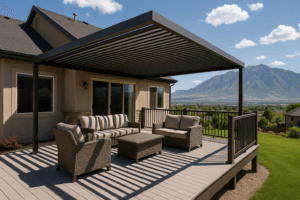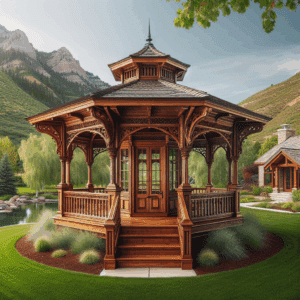
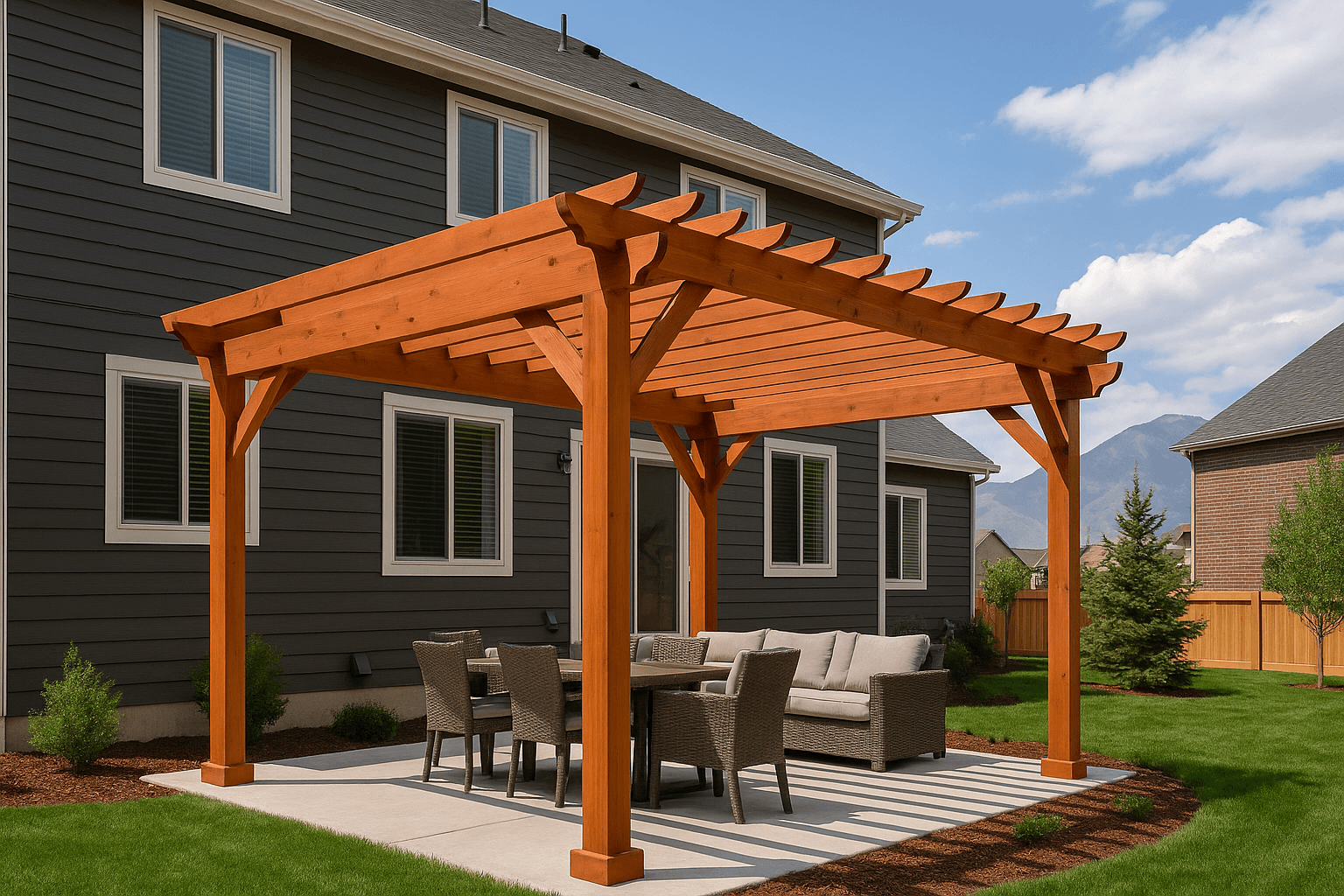
Imagine a summer evening in Salt Lake City—the Wasatch peaks turn mauve, your grill hangs in the air with that smoky, sweet promise, and your patio… well, it’s bright. Too bright. A red Cedar pergola changes that. It carves out a cool, beautiful pocket of shade and turns ordinary square footage into a gathering spot with soul. It’s also a subtle architectural upgrade that plays nicely with Utah’s big sky and crisp light. If you’ve been thinking, “Could a cedar pergola be the missing piece?” You’re in the right place.
Contents
- 1 Why Red Cedar Works So Well in Salt Lake City
- 2 Start With Purpose: Shade, Style, or Both?
- 3 Sizing It Right: Posts, Spans, and Proportions
- 4 Shade Math Made Simple
- 5 Style Moves: Beams, Ends, and Hardware
- 6 Finish: Rich Cedar Tone or Silver Patina?
- 7 Built for Utah Weather: Footings, Loads, and Permits
- 8 Add-Ons That Make It Yours
- 9 Plants that Play Nice with Cedar
- 10 Maintenance: 1 Hour, Once a Year
- 11 Budget Talk Without the Guesswork
- 12 Why Homeowners Choose Utah Pergola Company
- 13 Ready to Sketch Your Red Cedar Pergola?
Why Red Cedar Works So Well in Salt Lake City
Western Red Cedar is a bit of a natural wonder. It’s light yet strong, with built-in oils that fight rot and insects. That’s a big deal here along the Wasatch Front, where dry air and UV can be relentless. A cedar pergola holds its shape, resists cracking, and smells like a mountain trail after rain—yes, that’s a real perk.
It also looks fantastic. Fresh cedar starts warm and reddish-gold. Leave it natural and it’ll mellow into a soft silver over time. Stain it and you can hold that rich tone for years. Either way, cedar brings texture and warmth against Utah’s bright stucco, brick, and modern black window frames.
And because pergolas in Salt Lake City meet sun, wind, and the occasional storm, cedar’s stability matters. It handles those gusty canyon winds better than you’d think, and it’s more forgiving than many hardwoods. That’s one reason we recommend it so often at Utah Pergola Company.
Start With Purpose: Shade, Style, or Both?
Let me explain. Every great custom pergola starts with a clear goal. Do you want deep, cool shade over an outdoor dining area? A soft-filtered light over your hot tub? Or a modern frame that finishes your landscape and boosts property value?
Here’s the thing. A pergola can be a design anchor—think outdoor living room—or a quiet accent that blends with your xeriscape. We see both across Salt Lake neighborhoods. In Sugar House, folks often want privacy and warmth in smaller yards. In South Jordan, the wish list leans family-friendly with room for a big table and string lights. Microclimates matter too. South-facing patios run hot; east-facing spaces wake early but rest easy by noon.
If you’re unsure, we sketch a few layouts first. The right shape tends to jump out once we map your sun patterns, seating, and views.
Sizing It Right: Posts, Spans, and Proportions
Good proportions make a pergola feel right. Posts that are too close look crowded; spans that are too long feel flimsy. For most homes in the valley, features like 6×6 posts and 2×8 or 2×10 beams look balanced and handle load well. Typical clear spans run 8 to 12 feet depending on the beam size and the design. A comfortable overall height is 8 to 9 feet at the beam, with rafters or purlins above.
We also look at practical details: How chairs pull back. How grills vent. Whether your French doors swing without hitting a post. It’s the little things.
To keep things tidy and tough, we use concealed structural hardware when possible, and quality connectors like Simpson Strong-Tie when they need to be seen—often in black powder coat. It looks sharp against cedar.
A quick note on footings: in Salt Lake County, frost depth is commonly around 30 inches. We set posts on standoff brackets anchored to concrete piers or use helical piers when soil and access suggest it. That keeps Wood away from standing water and helps your pergola stay true for years.
Typical Layouts and Uses
| Common Size | Comfortable Use | Post Count |
|---|---|---|
| 10 x 12 ft | 4–6 person dining, grill station | 4 posts |
| 12 x 16 ft | Sectional + coffee table or 8-seat table | 4 posts (or 6 for long spans) |
| 14 x 20 ft | Lounge, dining, and pathway space | 6 posts |
You know what? Bigger isn’t always better. A well-placed 10×12 can feel cozy and intentional, while an oversized frame can overwhelm a small yard. We’ll help you spot the balance.
Shade Math Made Simple
Pergolas aren’t roofs. They don’t block every ray. And that’s the beauty—you get shade and sky at once. But how much shade are we talking? A lot depends on rafter spacing, louver angle, and orientation.
Salt Lake City sits around 40.8 degrees north, so the summer sun rides high. For strong midday shade in July, we tighten purlin spacing and run rafters east-west. For morning or evening shade, a north-south orientation helps. Adjustable louvers add even more control.
Quick ways to boost shade without losing that airy feel
- Closer spacing between purlins increases shade 10–25 percent.
- Angled louvers can cut glare at key times of day while keeping airflow.
- Retractable canopy systems (Somfy-powered options are popular) cover you on hot days and roll away for stargazing.
- Shade fabric rated for UV can be integrated cleanly and removed seasonally.
If you like numbers, think of shade in bands. A wide-spaced pergola might feel 30–40 percent shaded at noon in midsummer. Tight spacing with angled slats climbs toward 70 percent. Add a canopy and you’re near full shade when you want it.
Style Moves: Beams, Ends, and Hardware
Good design lives in the details. With a red cedar pergola, you can lean rustic, modern, or somewhere in between.
– Beam and rafter ends can be notched in classic, arched, or modern beveled profiles. A subtle curve softens a boxy yard; a crisp bevel fits modern builds.
– Overhangs add presence. A 10–14 inch overhang at the rafter tails gives proportion without feeling heavy.
– Hardware is part of the look. Black brackets and concealed screws read refined; galvanized fittings feel more farmhouse. Both can be beautiful, just different.
We also love knee braces for a mountain-lodge nod (they add stiffness too). And if your home has unique trim or corbels, we’ll echo that language so the pergola feels custom to your architecture—because it is.
Finish: Rich Cedar Tone or Silver Patina?
This is personal taste. If you want cedar’s natural color to last, use a UV-blocking stain or oil. If you love the weathered, coastal-gray look, let it age. Both are excellent choices—and here’s the mild contradiction—untouched cedar is low maintenance, but a good stain is low stress too. You just pick your favorite look.
Popular finishes our homeowners love:
– Penofin Ultra Premium, Cabot Australian Timber Oil, Ready Seal, and Sherwin-Williams SuperDeck.
– Semi-transparent stains show off the grain while blocking UV.
– Clear oils look gorgeous but need more frequent refresh in high sun.
Care is simple. Rinse gently each spring. If needed, wash with a wood cleaner and a soft brush. Oxalic acid-based brighteners can revive gray wood before re-staining. Then recoat every 2–4 years for oiled finishes, or 4–6 years for certain stains based on exposure.
Built for Utah Weather: Footings, Loads, and Permits
Salt Lake sees big temperature swings, high-altitude UV, and gusty storm cells. We build for that. Posts sit on standoff brackets above grade. Concrete piers go below frost depth. Connections are beefy but clean. If you add a solid cover later (polycarbonate or metal), we’ll design for potential snow and wind loads now, not after the fact.
Permits? Some pergolas require one; some don’t, depending on size, height, and attachment. Setbacks and utility clearances matter too. We handle plans, permitting, and inspections for you. And yes, we call Blue Stakes of Utah 811 before digging—always.
Add-Ons That Make It Yours
Because comfort lives in the details, consider a few extras:
– Lighting with warm LED downlights or dimmable string lights on dedicated circuits.
– Fan mounts for UL wet-rated fans—perfect on still evenings.
– Heaters (infrared) mounted safely to extend patio season into November.
– Privacy screens in cedar slats or metal panels for side yards and close neighbors.
– Outdoor kitchen integration with bar tops, stone bases, and venting that works.
– Audio and conduit hidden inside beams for a clean look; no cords, no fuss.
– Misters for July heat—just remember Utah’s hard water; filters help avoid mineral spots.
If you want a retractable canopy, we’ll block and wire for it now so it glides like it was always meant to be there.
Plants that Play Nice with Cedar
Cedar and vines are old friends. In our climate, grapes do well, hops are fun and fast, and hardy clematis gives color without the weight. Honeysuckle brings fragrance; trumpet vine brings hummingbirds. Wisteria? Beautiful but heavy—plan for stronger framing if it’s on your wish list.
Add a simple drip line and you’re set. If allergies are a concern, we can steer you toward lower-pollen choices. And yes, we’ll plan tie-in points so vines can climb without strangling hardware.
Maintenance: 1 Hour, Once a Year
A well-built backyard pergola shouldn’t be needy. Here’s a simple rhythm:
– Rinse lightly, check for debris in corners, and brush off pollen.
– Tighten visible hardware once a season; cedar moves a hair with temperature.
– If finished, recoat when the color starts to lighten. Spot-treat sunny faces if needed.
– After storms, give it a glance. If you added a canopy, make sure it’s dry and stowed properly.
That’s about it. Take care of cedar, and it will take care of you.
Budget Talk Without the Guesswork
Honest numbers help. Every yard and design is different, but these ranges will get you close for a quality cedar pergola in the Salt Lake area, built by licensed pros with solid footings and clean finishes.
| Pergola Size | Typical Range | What’s Commonly Included |
|---|---|---|
| 10 x 12 ft | $6,000 – $12,000 | Cedar frame, 4 posts, standard purlin spacing, footings, stain or natural |
| 12 x 16 ft | $10,000 – $18,000 | Larger beams, tighter shade pattern, premium hardware, permit handling when needed |
| 14 x 20 ft | $16,000 – $30,000+ | Custom profiles, wiring for lights/fan, privacy screens or canopy prep |
Prices vary with access, finishes, and add-ons, but we keep costs transparent and proposals clear. No surprises—just a plan that fits your yard and your budget.
Why Homeowners Choose Utah Pergola Company
We’re local. We know the wind patterns, the sun angles, the HOA quirks, and which stains actually hold up on the west face of your house. Our crews are craftsmen. Our designs are tailored. And we’re happy to show you builds in Cottonwood Heights, Daybreak, Bountiful, and Herriman—so you can see how a Salt Lake City Pergola Builder thinks about scale and detail.
– Custom design that respects your architecture and the way you live.
– Permits and engineering handled, start to finish.
– Clean builds with tidy job sites and clear communication.
– Aftercare with simple maintenance tips and quick support if you need us.
Honestly, we love this work. Cedar, sun, and a family’s new favorite spot—it’s a good way to spend a day.
Ready to Sketch Your Red Cedar Pergola?
If your backyard is calling for shade and style, we’re here to help. Tell us how you like to spend your evenings, where the sun hits strong, and what you want the space to feel like. We’ll turn that into a simple plan and a clear, friendly proposal.
Call 801-784-6082 to talk with our team at Utah Pergola Company, or hit Request a Free Quote and we’ll follow up fast with ideas, pricing, and timing that works for you.
Let’s build the spot everyone drifts to—because that’s when a house starts feeling like home.