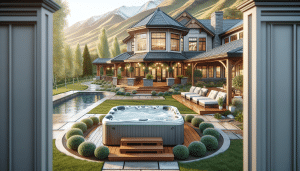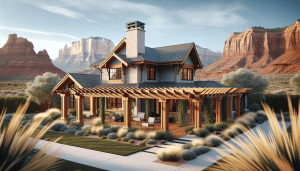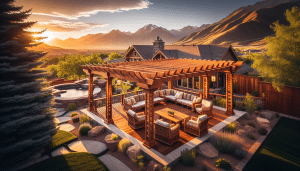
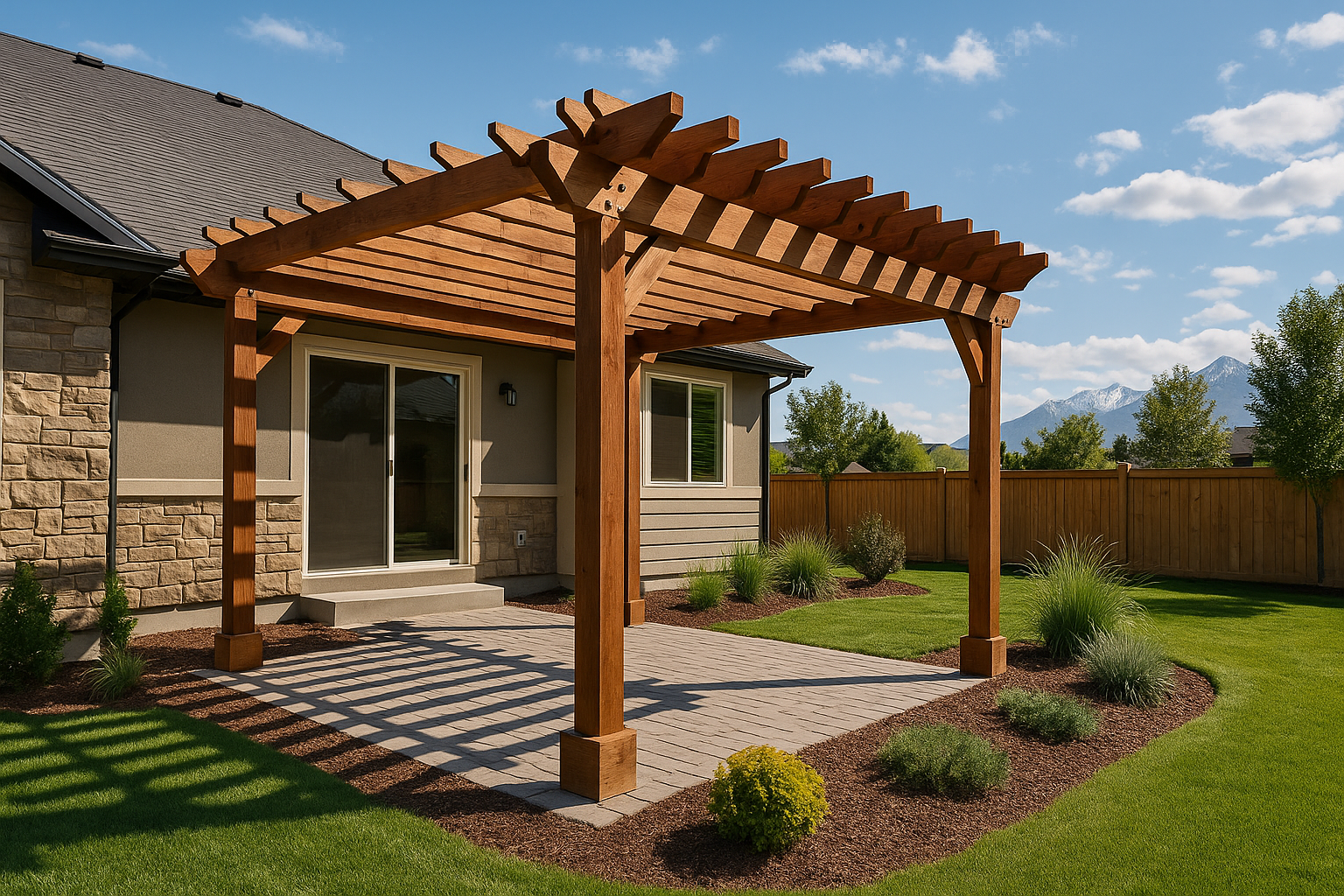
Close your eyes and picture a warm Salt Lake City afternoon. The mountains are sharp against a blue sky, the air is dry, and your patio is almost perfect—except you’re hunting for shade. That’s where a Timber pergola shines. It frames your view, cools the space, and makes the yard feel finished. Not fussy. Not formal. Just a welcoming spot where the grill sizzles, the kids sprawl, and you finally exhale.
Contents
- 1 Why a Timber Pergola Works So Well in Salt Lake City
- 2 Cedar, Redwood, or Douglas Fir? Picking the Right Wood
- 3 Design Details That Make Shade Feel Like Magic
- 4 Built for Mountains: Structure, Footings, and Snow Smarts
- 5 Finish That Lasts: Stains, Sealers, and Color That Pops
- 6 Pergola Ideas That Fit Your Home’s Vibe
- 7 Yard Flow: Pergola Placement, Size, and Permits
- 8 Real-Life Use Cases We See Every Week
- 9 What It Costs In Salt Lake City (Plain Talk)
- 10 Care Is Easy: A Simple Maintenance Calendar
- 11 Why Utah Pergola Company
- 12 Ready To Shade Your Yard? Let’s Talk.
Why a Timber Pergola Works So Well in Salt Lake City
Our climate is a quirky mix: high-altitude sun, cool evenings, and a winter that can still throw a punch. A timber pergola in Salt Lake City fits that rhythm. Wood warms up fast at sunset, breathes through the seasons, and feels like it belongs next to the Wasatch. Metal can glare. Vinyl can look a little too glossy. Timber sits easy, like it’s been there for years.
There’s also style. Along the valley, you’ll find everything from mid-century bungalows to mountain-modern builds. Timber bridges those looks. It can go sleek, rustic, or classic with a simple shift in beam size, edge profile, and finish color. In Sugar House, Cedar with clean lines is a natural. In Holladay, heavier beams echo the trees. Park City vibes? Dark stain, chunky posts, and a few black steel details—done.
And let’s be honest: the sun here is strong. A pergola doesn’t just “look nice.” It changes how you use your yard. A few degrees cooler. A lot more comfortable. You walk outside more. You linger longer. That’s the point.
Cedar, Redwood, or Douglas Fir? Picking the Right Wood
We work with all three. They each bring something different to the table—beauty, budget, and how much care they ask from you.
| Wood Species | Look & Feel | Care & Notes |
|---|---|---|
| Western Red Cedar | Warm, tight grain; takes stain evenly; classic cedar pergola tone | Resists rot; lighter weight; re-stain every 2–3 years for UV protection |
| Redwood | Rich red-brown; striking with black hardware | Durable; a bit pricier; color holds well with a good oil finish |
| Douglas Fir | Strong, clean lines; great for beefy beams | Budget-friendly; benefits from quality stain and sealer; excellent span strength |
Here’s the thing: all three can last for decades in Utah with the right finish. We often pair kiln-dried Douglas fir for structure with cedar shade slats for a refined look and easier upkeep. Hardware matters too. We use rated post bases, often from Simpson Strong‑Tie, and GRK structural screws where they make sense. Clean lines on the outside, serious muscle on the inside.
If you’re considering reclaimed timbers, we can do that as well. They bring character and heft, but we’ll talk through weight, straightness, and cost. Honest tradeoffs, no surprises.
Design Details That Make Shade Feel Like Magic
A pergola is simple. Posts, beams, and slats. But small choices shape how it feels from April to October.
Orientation and slat spacing
Salt Lake City sits around 40.7° north. That matters. For strong summer shade, we usually run the top slats east–west and angle them 10–20 degrees toward the south. This knocks down the midday sun while still letting in evening light. Want more winter sun on the patio? We’ll widen spacing a touch. Prefer deep shade by the pool? We’ll tighten it up.
Fixed, louvered, or a little of both
We love the timeless look of fixed slats. But if you want rain protection or quick-change shade, we can integrate a louvered bay over a dining table, or add a slim polycarbonate panel above a cooking zone. Wait—doesn’t that make it more like a roof? Sort of. A pergola is open by nature, yet a small weather panel over the grill or entry path can be a smart upgrade. You keep the airy feel without giving up practicality.
- Privacy screens along one side block neighbors and canyon gusts while keeping airflow.
- Integrated lighting with warm LEDs sets the mood and keeps glare low.
- Ceiling fan or heaters extend the season—cool for July, cozy for October.
- Hidden outlets power heaters, speakers, and string lights without cords snaking around.
Plants? Absolutely. Grape vines, wisteria, honeysuckle, clematis—even hops if you brew. We’ll plan sturdy wires, prune space, and a drip line so your plants thrive without overwatering your patio.
Built for Mountains: Structure, Footings, and Snow Smarts
Our crews design for the Salt Lake Valley’s quirks: occasional canyon winds, freeze-thaw cycles, and snow that sometimes stacks up fast. A custom pergola needs a foundation and joinery that stay put.
Footings go below frost depth—typically 30 to 36 inches in the valley. We often pour concrete piers with galvanized post bases that lift wood off the ground. Got a newer thick slab? We’ll verify thickness and reinforcement before anchoring. No guesswork.
Beams and rafters are sized for real-world loads, not wishful thinking. Spans depend on species and the look you’re after. Some clients want chunky 6×12 beams for that mountain lodge feel; others prefer sleek 4x10s with steel knife plates. Either way, it’s engineered and built clean. If the site is tight or access is tricky, we can use helical piers to speed things up and minimize mess.
Finish That Lasts: Stains, Sealers, and Color That Pops
High UV at altitude is no joke. That’s why we use stains and oils with strong UV inhibitors and mildewcides. You can go semi-transparent to let the grain glow, or pick a rich solid color for drama.
Brands we trust include Penofin, Cabot Australian Timber Oil, and high-quality waterborne finishes from General Finishes for lighter tones. For darker, mountain-modern looks, we prep carefully, sand to the right grit, and apply even coats that cure well in our dry air. When the sun does its thing—because it will—we refresh. Most pergolas look best with a light clean and a fresh coat every couple of years. Easy routine. Big payoff.
Quick care tip: rinse dust and pollen off in spring. If you see a dull patch by August, call us. A small touch-up beats a major refinish.
Pergola Ideas That Fit Your Home’s Vibe
A few design paths we love around Salt Lake City:
- Mountain Modern Dark stain, slim black steel brackets, wide slat spacing. Perfect in Draper or at the mouth of Big Cottonwood.
- Classic Craftsman Cedar with chamfered edges, green-grey stain, and simple corbels—looks right at home in Sugar House.
- Rustic Lodge Hefty Douglas fir posts, visible bolts, and warm amber oil. Cozy in Holladay and Millcreek backyards.
- Poolside Retreat Lighter stain, privacy screen on the west, and a ceiling fan. Pair with turf or travertine for instant vacation mode.
You know what? Sometimes the best move is subtle. A clean 10×12 pergola off the kitchen door transforms daily life without shouting about it. Shade where you step out with coffee. Simple as that.
Yard Flow: Pergola Placement, Size, and Permits
The sweet spot is usually near traffic lines: from the kitchen door to the grill, or between the family room sliders and the yard. We look at sun angles, neighbor sightlines, and the view—because blocking your Wasatch sunset with a post is a crime against evenings.
How big should it be?
As a quick guide, give yourself 3 feet of walking room around furniture and grills. For dining, plan a 12×14 or larger; for a lounge set, 12×16 feels generous. Smaller yards love 10×12 when space is tight. Height? We keep beams high enough for airflow but low enough for shade—usually 8.5 to 9.5 feet to the underside of the beams.
Permits and HOA
Most free-standing pergolas don’t need complex permits, but heights, setbacks, and HOA rules vary. We handle drawings, permits, and inspection needs across Salt Lake City and nearby towns—so you don’t have to chase paperwork.
Real-Life Use Cases We See Every Week
Two kids, one dog, lots of sports gear. You want a shaded landing zone after weekend games. We build a cedar pergola with hooks for backpacks and room for a big table. Now Saturday lunch has a place to land.
Empty nesters in Millcreek who love a glass of wine at sunset. We add a slim privacy screen and soft LEDs. Suddenly, backyard evenings stretch longer and sweeter.
Grill master in Daybreak who doesn’t want to panic when storm clouds roll over the Oquirrhs. We tuck a clear panel over the grill corner and run power to a rotisserie. Dinner continues. Rain or shine.
What It Costs In Salt Lake City (Plain Talk)
We’re straightforward about pricing. Materials, size, and features drive the number. Here’s a realistic local snapshot for a custom timber pergola installed by a seasoned pergola contractor:
- Smaller cedar pergolas for patios, simple lighting: typically from $6,500–$12,000.
- Mid-size builds with privacy screens, stain, and power: often $12,000–$20,000.
- Larger or premium projects with hefty timbers, heaters, or a louvered bay: $20,000–$35,000+.
Could a kit be cheaper? Sometimes. But here’s what you trade: exact fit, heavy-duty footings, clean wiring, and a look tailored to your house. With a kit, you also do more finish work and accept lighter hardware. Many folks start with a kit idea and end up glad they chose a custom pergola in Salt Lake City that looks purpose-built.
Seasonal note: winter installs can move faster and sometimes save a bit. If your schedule is flexible, we’ll talk timing.
Care Is Easy: A Simple Maintenance Calendar
You don’t need to baby a timber pergola. A quick rhythm keeps it sharp year after year.
- Spring Rinse dust and pollen. Check plant ties and drip lines. Lightly wash with oxygen bleach if needed.
- Summer Peek at high-sun areas. If the finish looks dull, we can spot-treat fast.
- Fall Tighten visible hardware. Trim vines. Sweep leaves off the top to avoid moisture pockets.
- Winter After a dump of snow, brush heavy build-up off the slats. No need to fuss—just don’t let a deep drift sit forever.
That’s it. Short, simple, and your pergola keeps its good looks.
Why Utah Pergola Company
We’re local. We know the sun angles, the HOAs, the wind you get after a storm comes over Parleys. We design with that in mind, not from a brochure a thousand miles away. Our team handles everything: design, engineering, finish, power, and final walk‑through. Clear communication, clean job sites, and timelines that stay tight.
You’ll see your pergola in 3D before we cut a board. We source quality lumber, use rated hardware, and stand behind our work. A lot of clients tell us the pergola became their favorite “room” in the house—even though it doesn’t have walls. That makes us happy. It also keeps us honest about what we build next.
Ready To Shade Your Yard? Let’s Talk.
If you’re picturing backyard dinners and quiet Sunday mornings, we’re ready when you are. Call Utah Pergola Company at 801-784-6082 and tell us what you’re dreaming up. Or tap here to Request a Free Quote and we’ll follow up fast.
We’ll walk the site, sketch ideas, and give you straightforward pricing. A timber pergola can change how you use your yard this season—and every season after. Let’s build the spot everyone heads to first.